
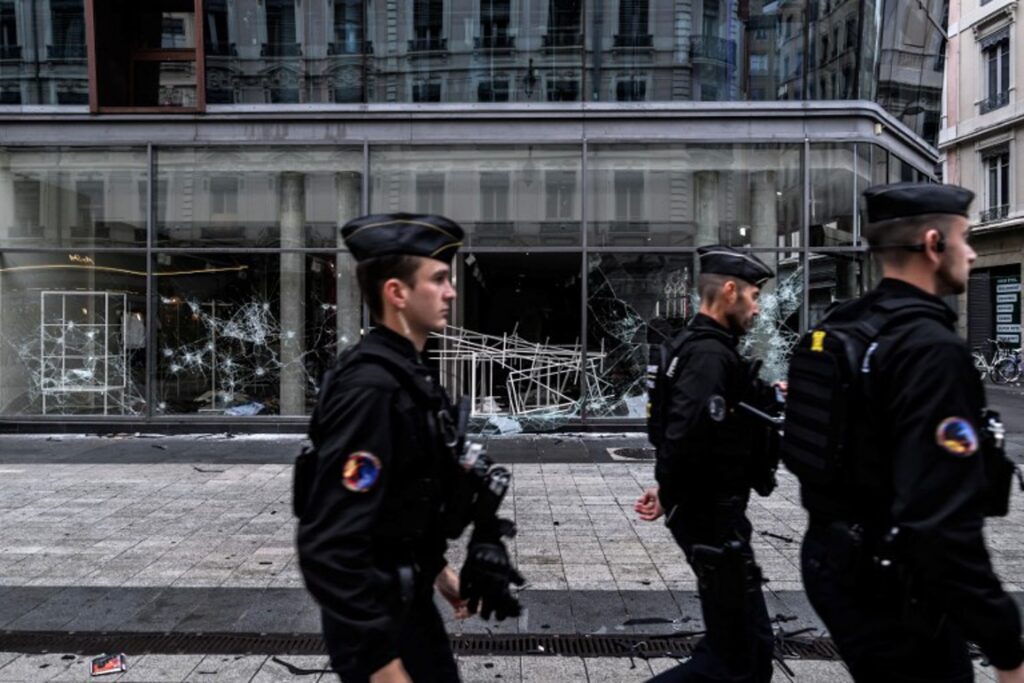
France is bracing for 831 social protests on Saturday, as the gilets jaunes movement says pupils, students, and workers will rally against rising prices, worsening education conditions, and what they describe as a lack of tax and social justice.
The French government has deployed 70,000 police officers and gendarmes, nearly 20% more than the previous week, ahead of the latest nationwide demonstrations.
According to the movement’s website, 587 marches are planned across the country, alongside other actions at roundabouts, petrol stations and railway stations.
The protests will bring together a broad range of participants, including secondary school pupils, university students and employees from different sectors.
The protests come as the body governing the European Convention on Human Rights has called on governments to safeguard freedom of peaceful assembly and ensure that police operations comply with human rights standards.
Police forces must favour dialogue and de-escalation, Council of Europe Human Rights Commissioner Michael O’Flaherty said.
While it is legitimate for police to respond to looting and riots and to protect public safety, the use of force and deprivation of liberty must be governed by strict standards.
In several countries, protests in recent weeks have turned violent, while official responses have focused mainly on public order.
Last weekend, the gilets jaunes movement said more than 800,000 people took to the streets, while the authorities put the figure at more than 550,000.
A third major day of action is planned for Saturday, 31 October.
