
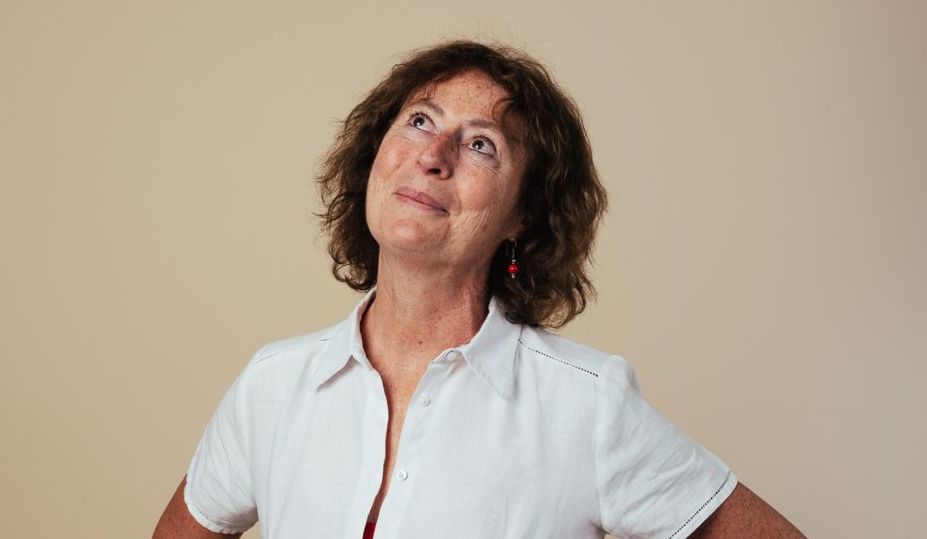
When Corinne was first diagnosed with breast cancer in 2014, she didn’t feel unwell at all. “It was completely by chance,” she recalls. “They found it during a mammogram. I didn’t have any symptoms, I felt good - I was in denial, really”.
Corinne, 59, from Brussels, had always been careful about her health, so when she asked her doctor to have a mammogram sooner than the standard recommendation, the doctor agreed - a decision that may have saved her life.
But nothing prepared her for what came next. The diagnosis, she says, was brutally delivered: she learned she would need a mastectomy directly from the surgeon performing her biopsy. “It was brutal. I wasn’t prepared to hear it like that.”
She underwent surgery, immediate reconstruction, and five years of hormonal therapy. “I didn’t really identify as a cancer patient,” she says. “I kept working, pretending everything was fine. But the treatment made me emotional, exhausted.” Denial, she says, was her way of coping - a fragile shield against fear.
The second blow
Five years later, while on holiday, she felt something unusual. “This time, I knew right away,” she says. The diagnosis confirmed her fears: four tumours, two more than initially detected with the biopsy. “I told myself, okay, now it’s war. This tumour for me, quite quickly, had become the little bitch that was hiding, that we had found, and that I needed to fight.”
The following months were a blur of operations, 16 chemotherapy sessions, and 20 rounds of radiotherapy. “It was violent, but I went through it with a sort of rage to live,” she says. “This time I understood the gravity, but I was determined.”
While radio and chemotherapy were extremely painful and intense, Corinne never felt more crushed than when she started hormone therapy for the second time. While only a pill to take at home, this brought extreme mood swings and a strong sense of despair.
“It’s like pregnancy hormones multiplied by a thousand,” she explains. “I had to take anxiolytics just to cope. People underestimate how hard this phase is. Hormonal therapy is heavy treatment — it should be recognised as such.”
A strong but imperfect system
Despite everything, she’s full of praise for Belgium’s medical system. “At Bordet and at Chirec, I felt surrounded, supported, confident,” she says. “The doctors, nurses, physiotherapists - they saved me.”
Where she sees weaknesses, however, is in the practical part of things. Administrative hurdles, confusing paperwork, and a lack of structured reintegration make recovery harder than it should be. “Nobody explicitly tells you what help and benefits you are supposed to get, you have to look for them yourself, but you are already fighting cancer," she says.
She believes Belgium needs a mandatory reintegration programme for post-cancer patients — not only medical, but psychological and professional. Because while being thrilled to return to work, she still wishes a stronger support package was offered for people with careers that were put on pause so suddenly.
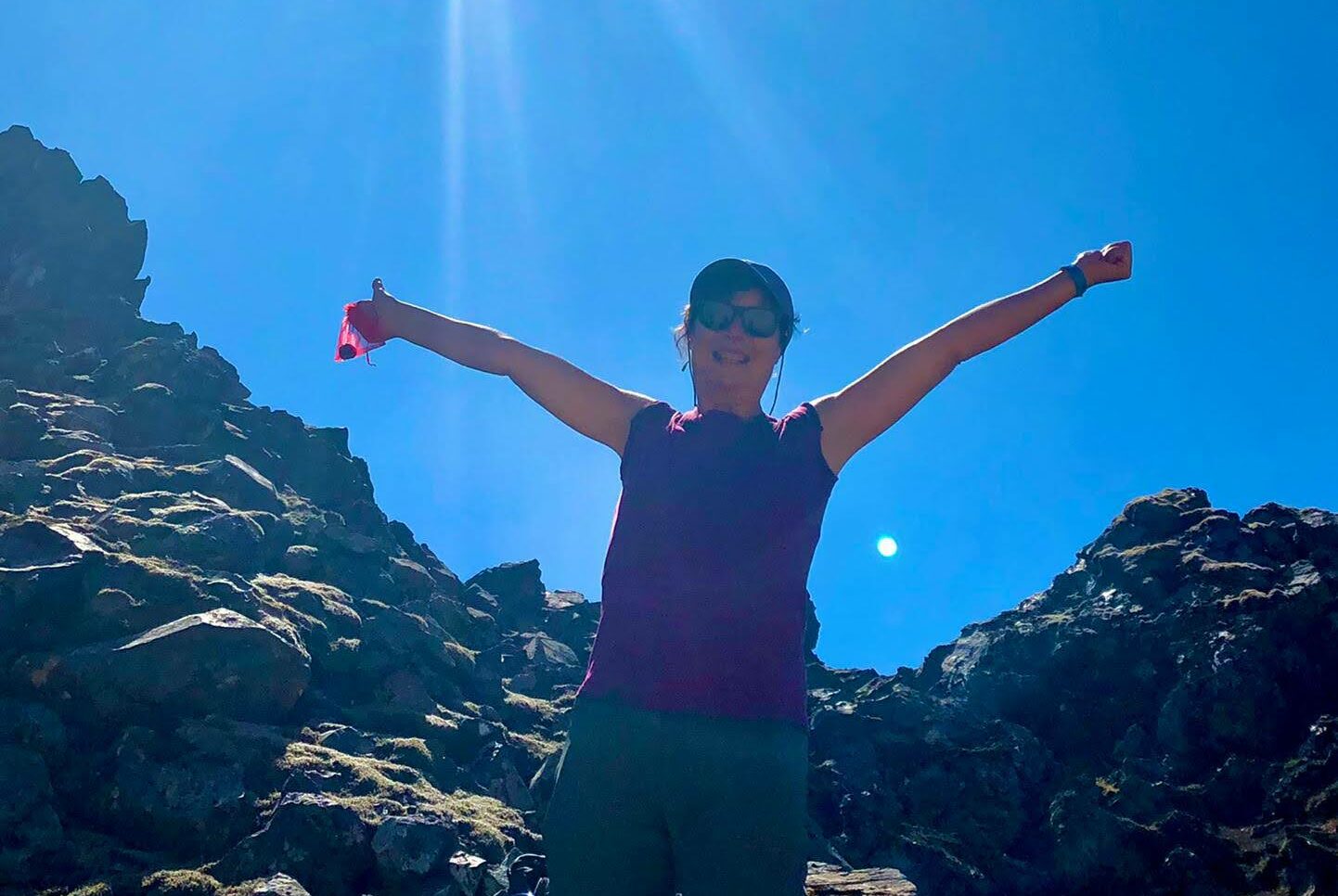
Corinne in Iceland during her 100km trek with other cancer patients. Credit: Handout
Healing beyond medicine
Her real turning point came through community and creativity. She discovered the Re-source association, which offers yoga, dance, colour therapy, make-up workshops and many other activities for people battling cancer. “It helped me reconnect with my body,” she says. “You meet people who know what you’re going through without needing to talk about it.”
Ressource also helped her in defining moments of her illness. She recalls with emotion the first time she showed her bare head, having lost her hair during chemotherapy: “I had seen myself and I couldn’t find myself beautiful. But when I saw the other women present at a workshop that day without their wigs, I thought they were beautiful, and when they told me I was beautiful too, it helped me start believing it.”
At Chirec, she joined a physiotherapy programme, as intense physical activity is shown to reduce relapse risk. “It’s two sessions a week, but it’s so much more than exercise,” she says. “It’s about taking back control of your body — step by step.”
Over the years, she’s also drawn, painted, and even created a personal coat of arms in an art therapy workshop. “It made me see that I’m not the same person. I’m stronger, and every day here is a gift, a bonus”.
Family, awareness and hope
Only after her second diagnosis did a doctor ask if she was Jewish. “I said yes, but I didn’t understand why they were asking,” she recalls. That’s when she learned that Ashkenazi Jews are at higher risk for genetic breast cancer mutations. “Nobody had ever asked me about my family origins,” she says. “Genetic questions should be systematic. It’s not just for women - my sons also need to know.”
She hopes awareness campaigns in Belgium will expand beyond women’s bodies to include families, genes, and long-term follow-up. “Cancer doesn’t end with the last chemo,” she insists. “It continues in your body, your mind, your family.”
That awareness has also driven her toward movement and community. In the years following her remission, Corinne joined other survivors to run the Brussels 20 km and later did a 100 km trek across Iceland organised by cancer recovery associations. “It was like an initiatory journey,” she says. “A community of people who understand without words. I ran for those who are gone.”
During the pandemic, she even took part in a video for Belgian singer Estelle Baldé’s song Esperanza, celebrating women fighting cancer. “When they asked me to join, I didn’t hesitate,” she smiles. “I brought my whole family.”
Eleven years after her first diagnosis, Corinne still takes hormonal therapy - and still feels deeply alive. She avoids the word survivor. “I don’t like it,” she says firmly. “I’m not a survivor. I’m alive - fully alive.”
For her, healing is no longer a medical process but a way of living. “Healing is not just about removing the tumour,” she says. “It’s about learning to live again.”
Belgium, she believes, offers excellent medical care – but must evolve toward a more holistic model, one that values mental health, rehabilitation, and social reintegration as much as surgery and drugs. Corinne’s journey shows that recovery doesn’t end in the hospital; it begins when life resumes.
As Pink October – the month dedicated to breast cancer awareness – draws to a close, the numbers remain striking: breast cancer is still the most common cancer among women, representing 34% of cases in Belgium compared to 30% across the EU.
Belgium also ranks among the countries with the highest incidence rates in the world. Corinne’s story is a reminder that vigilance saves lives: don’t skip your mammogram, and take the time to self-check. It could quite literally save your life.
Related News
- New study brings hope for certain breast cancer patients
- More cancer patients in Belgium use oncofreeze to save reproductive material
- Flanders makes progress in fight against colorectal and breast cancer
- Belgium's mental health is getting worse
- Body of homeless person found at Porte de Namur metro station
