
Belgium may not be able to build new large nuclear power plants before 2039 at the earliest, according to findings reported by L’Echo and De Tijd on Friday.
The reports are based on conclusions from a study commissioned by Elia, Belgium’s high-voltage grid operator, and conducted by engineering firm Tractebel (Engie).
Meeting the 2039 timeline would require the government to initiate the project by the end of 2026 and ensure that it encounters no delays. However, Tractebel suggests that the first new reactor would more likely become operational in 2042, or possibly 2044.
Rising electricity demand from increasing use of electric vehicles, digitised industries, data centres, and heat pumps poses a major challenge to such lengthy development timelines. Last summer, Elia estimated that Belgium would need at least 4.4 gigawatts of additional production capacity by 2035, equivalent to over four large nuclear reactors like Doel 4.
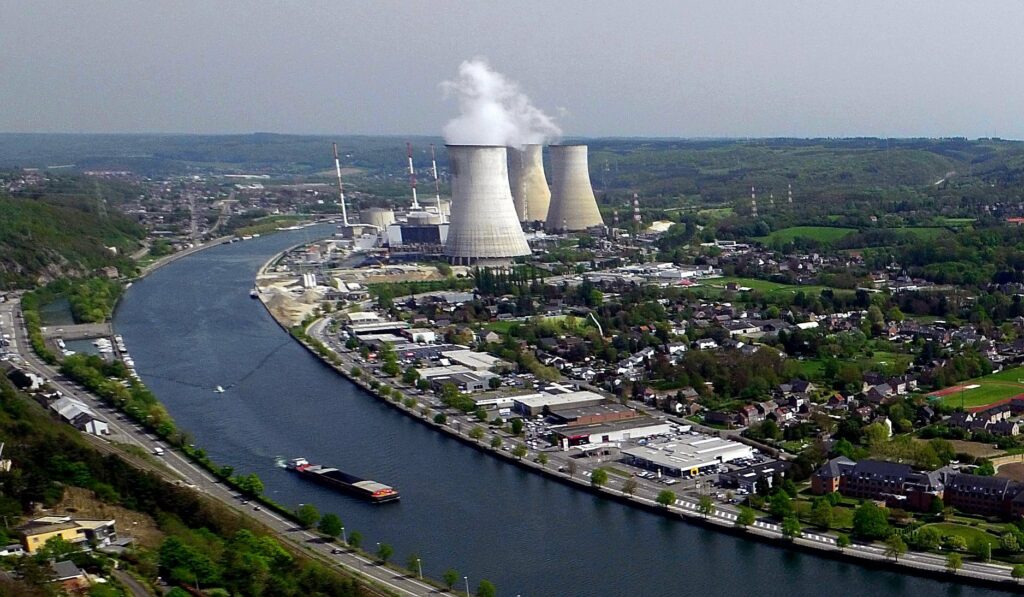
The study notes that only two sites in Belgium are capable of hosting several pressurised water reactors exceeding 1 gigawatt each. L’Echo reports these sites are Belgium’s existing nuclear facilities at Doel and Tihange.
Elia ordered the study in preparation for the federal development plan for 2028-2038. This plan, following stakeholder consultations, is expected to receive approval by next May from Energy Minister Mathieu Bihet.
