
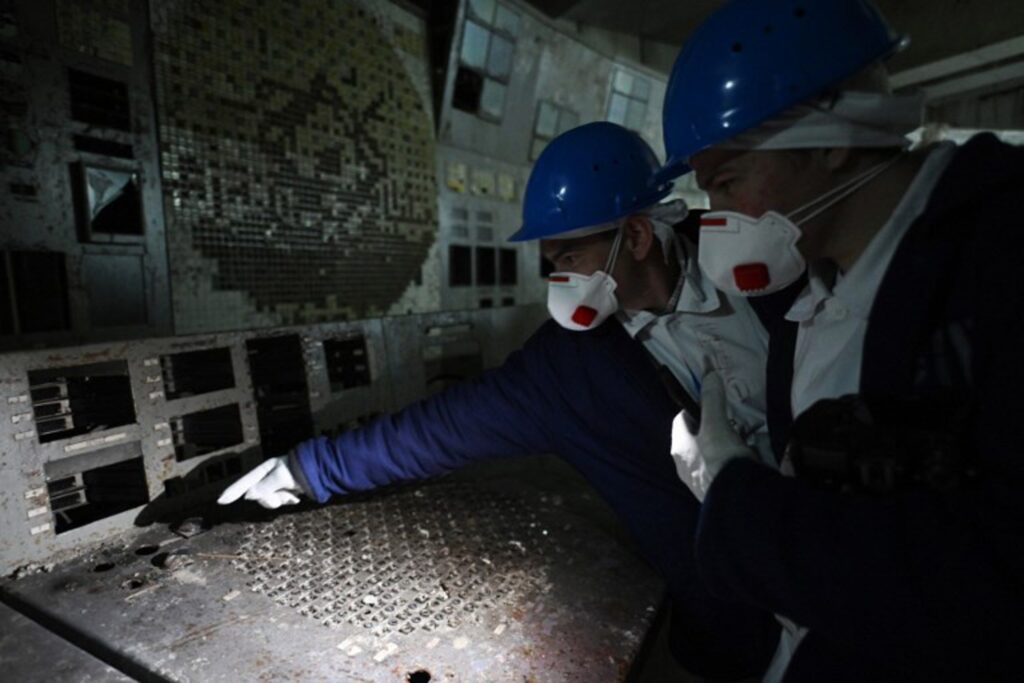
On 26 April 1986, the Ukrainian Chornobyl nuclear power plant suffered a catastrophic explosion, marking the world’s worst nuclear disaster.
During a safety test, Reactor 4 overheated and exploded, blowing off its 2,000-tonne roof and releasing massive quantities of radioactive material into the atmosphere. Human errors and the flawed design of the RBMK reactor contributed to the tragedy.
Police and firefighters responding to the site were exposed to lethal radiation levels, with dozens later succumbing to radiation sickness. Communication among plant officials, government authorities, and emergency responders was chaotic and unprepared for such an extraordinary disaster.
An exclusion zone, still uninhabited today, was established in an effort to contain the radiation. However, large areas of present-day Ukraine and Belarus were contaminated, and the radioactive cloud spread across Europe.
The nearby city of Pripyat, home to 115,000 residents, many employed at the plant, was evacuated only the day after the explosion. It remains a ghost town.
Soviet authorities deployed “liquidators” tasked with battling the fire and clearing radioactive debris. Working in shifts of mere seconds or minutes due to extreme radiation levels, thousands of men were hastily mobilised, many later dying slowly from their exposure.
A concrete sarcophagus was urgently erected to encase Reactor 4 in 1986, but in 2016, it was replaced by the New Safe Confinement (NSC), a massive movable structure standing 108 metres high and weighing over 30,000 tonnes. Designed to last 100 years, it aims to contain radiation leakage and dust contamination.
During the Russian invasion of Ukraine, Russian army briefly occupied the Chernobyl Exclusion Zone including the plant itself, reportedly trapping around 300 personnel. However, about a month later most troops withdrew to focus on the Eastern front.
Russian forces still occupy the biggest nuclear plant in Europe - Zaporizhzhia nuclear power plant. Its status is constantly filled with uncertainty with frequent blackouts, causing a looming possibility of another potential disaster for the continent.
