
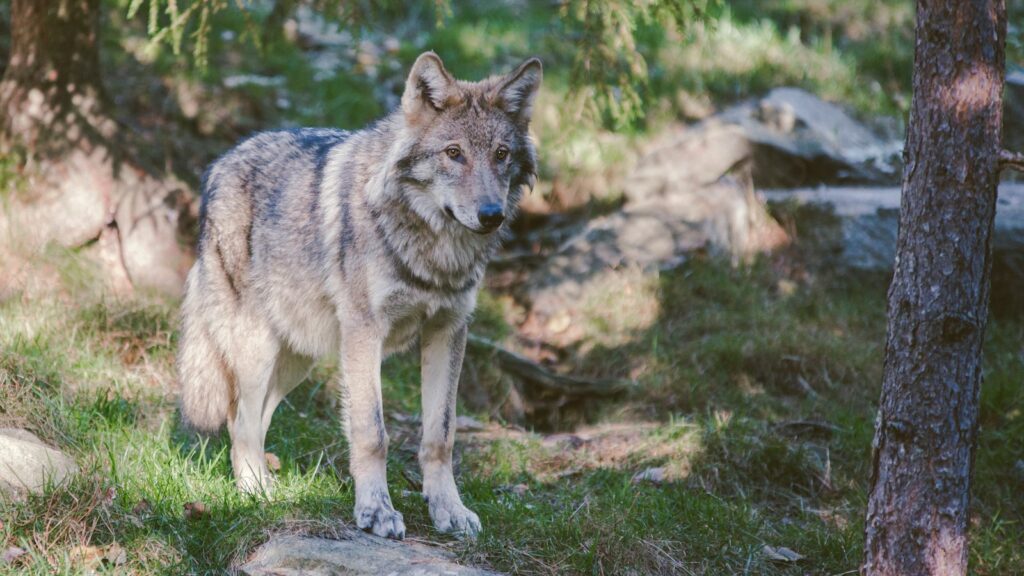
Since wolves returned to the Netherlands, at least 41 have been killed by poachers, according to a study conducted by the independent agency EcoJust.
The researchers describe organised poaching as a widespread issue that operates with near-total impunity, bolstered by tacit support from significant parts of rural communities.
Most wolves are shot, but evidence also points to intentional collisions with vehicles. Investigators found carcasses buried, burned in fire barrels, and dumped into manure pits, methods deliberately chosen to destroy evidence.
Farmers and hunters are identified as the primary groups behind the poaching.
EcoJust cites several motivations, including anger over wolf attacks on livestock, while protection measures are often lacking. Failures in governance and enforcement mean poachers face minimal risk of detection or prosecution.
The report also explores cultural attitudes and the role of social media. Anti-wolf sentiment is deeply rooted, amplified online, and fuelled by politicians who consistently portray wolves as unwelcome intruders.
EcoJust stresses the need to address the social and emotional aspects of this issue. Restoring trust between rural communities and the government is essential to developing effective solutions.
