
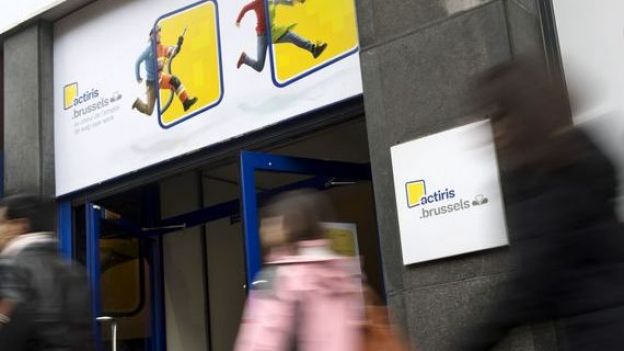
For the first time in a decade, jobseekers in the Brussels-Capital Region have risen above 100,000 as unemployment increased by 5.8% in a year, according to figures by Brussels employment service Actiris.
At the end of September, Actiris counted 100,198 registered jobseekers, citing the weak economy, fewer job vacancies, more bankruptcies and the recruitment freeze in Brussels’ public institutions as the reasons for the high figure.
For Brussels Employment and Economy Minister Laurent Hublet (Les Engagés), crossing the threshold of 100,000 jobseekers showed that more needed to be done, particularly for young people.
"The employment rate is rising, but too slowly for a region as young as Brussels," he said.
He pointed to children born during the population boom of the 2000s now entering the labour market, while the strongest rise in registered jobseekers is among those under 25.
"This is why we are introducing a new Activa scheme targeting young people in 2027," Hublet said.
The unemployment rate rose to 16.1% in September – the highest figure since September 2020.
Due to the federal government's reform of the unemployment system, more people are now automatically registered for longer periods so that they can be monitored by Actiris.
Jobseekers aged between 65 and 70 are now also included in the figures as a result of the increase in the state pension age.
Of these jobseekers, 28% have applied for benefits and 8% are young people in vocational integration programmes.
The remainder fall into the category of "other non-working jobseekers," which includes, amongst others, jobseekers who have reached the end of their entitlement to benefits.
Of the more than 100,000 unemployed, 35% are registered with a Public Centre for Social Welfare (CPAS/OCMW).
Actiris said the time limit introduced for unemployment benefits had not resulted in a reduction in the overall number of people registered with the employment service.
Instead, it has observed people moving between categories as they lose their entitlement to unemployment benefits, mainly from unemployment benefit recipients to people receiving social integration income through the CPAS/OCMW.
