
The call of the wild is heard upon arrival at Pairi Daiza’s monumental gates, with the soft strains from the soundtrack of the romantic safari movie Out of Africa. In the long, colonnade from the gate, there is Belgium’s biggest dinosaur skeleton on display (a small section of the tail is missing: researchers are studying why it became fused and gnarled). As part of Pairi Daiza’s all-nature approach, there are massive geodes and other crystals and minerals lining the route. And then, at the end of the colonnade, visitors can peer into Géraldine’s Heaven, a hospital for native Belgian wild animals: currently in treatment are Arnold, a cormorant; Houdini, a weasel; and Chanel, a falcon.
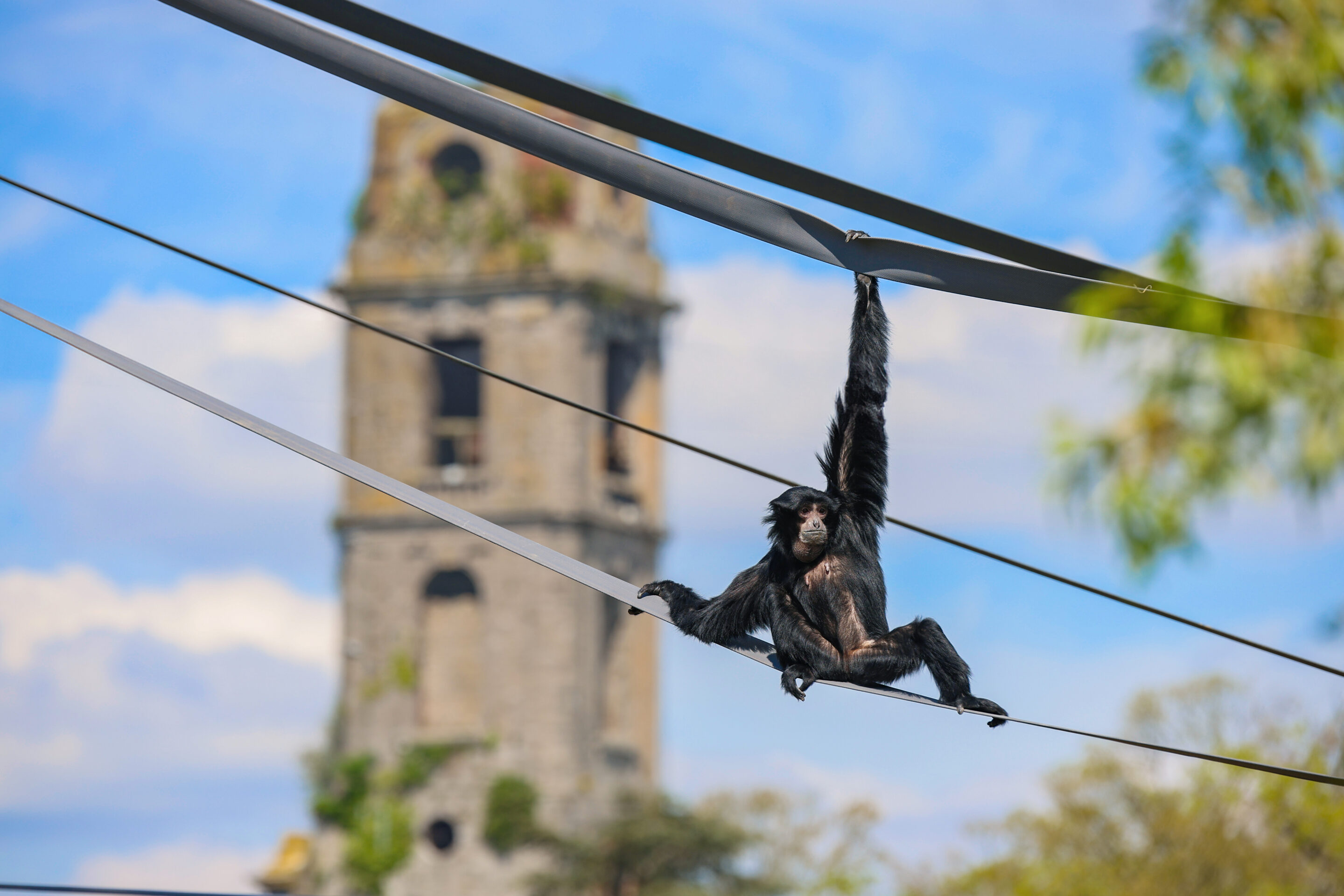
All this before the main attraction for most visitors: the extraordinary exotic animals that Pairi Daiza boasts, from giraffes to gorillas, from elephants to walruses, from kangaroos to snow leopards. It is a vast menagerie that, since its creation more than three decades ago, has made it one of the world’s top zoos.
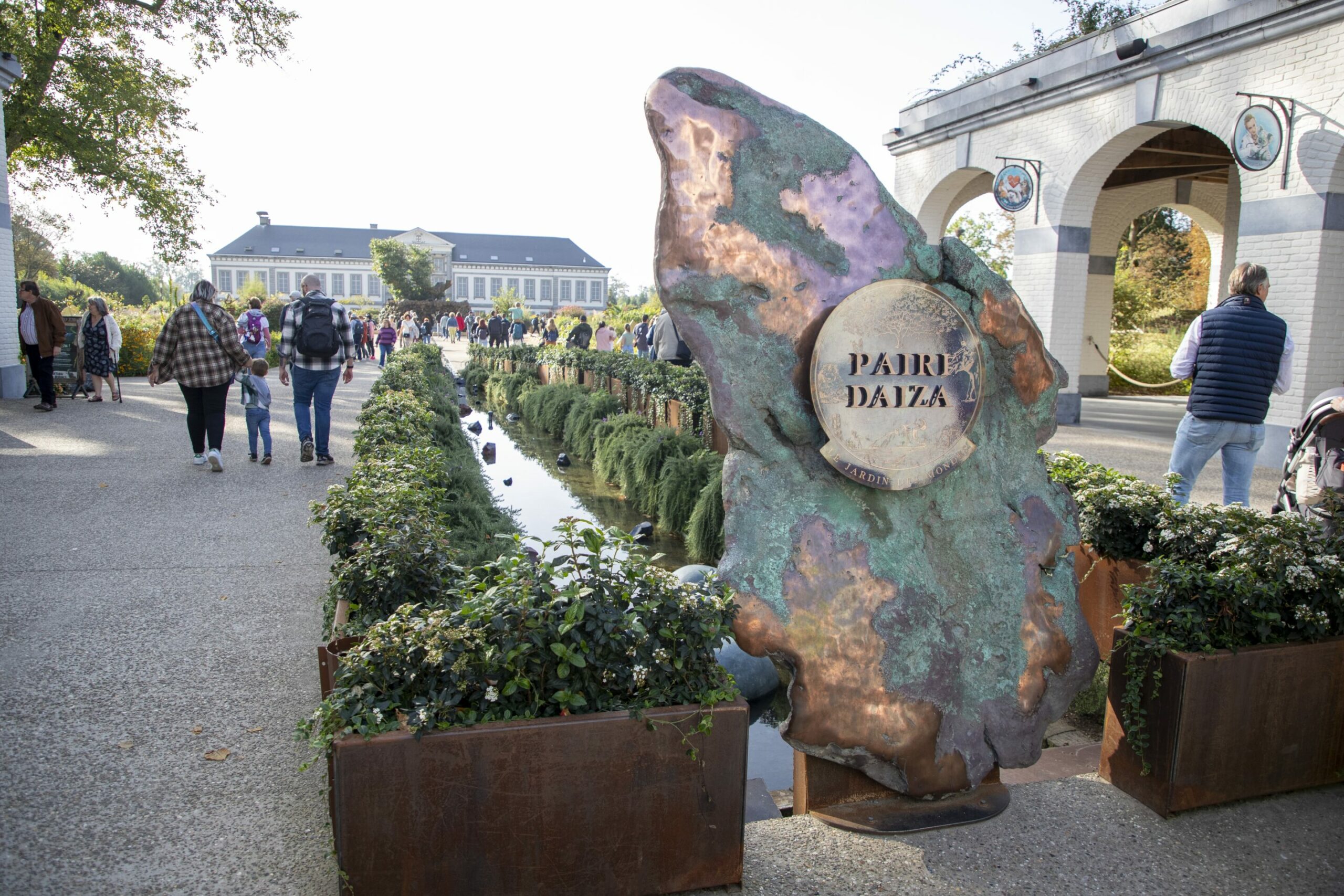
Illustration shows the new entrance of Pairi Daiza animal park in Brugelette on Saturday 07 October 2023. Credit: Belga
Pairi Daiza is nestled among the gently rolling fields of Hainaut, at the former site of the Cistercian Cambron Abbey. Spread over 75 hectares – two-and-a-half times the size of the Cinquantenaire Park – it feels like stepping into an alternate universe. A “walled garden” turned botanical zoo, a place where history, art, culture, and conservation converge under one skyline.
Its story begins not with pandas or polar bears, but with monks. Long before it became a zoological wonderland, the site was home to the Cistercian Cambron Abbey, founded in the 12th century. The abbey flourished for centuries, its cloisters echoing with prayer, brewing, and manuscript-copying, until the French Revolution brought dissolution and ruin. Fragments of this past remain scattered through the park: Gothic arches, crumbling walls, and vaulted cellars that once stored wine and grain.
Rather than erase them, Pairi Daiza has woven the abbey’s relics into its fabric, so that storks nest above ruins and owls glide through cloisters, and the crypt of the Cambron Abbey tower is now home to a colony of bats. The effect is less “zoo” than palimpsest: a medieval monastery reborn as a sanctuary where past and present entwine. In many ways, the abbey’s contemplative aura still lingers – Pairi Daiza may teem with visitors, but its foundations were laid by men who also sought paradise enclosed.
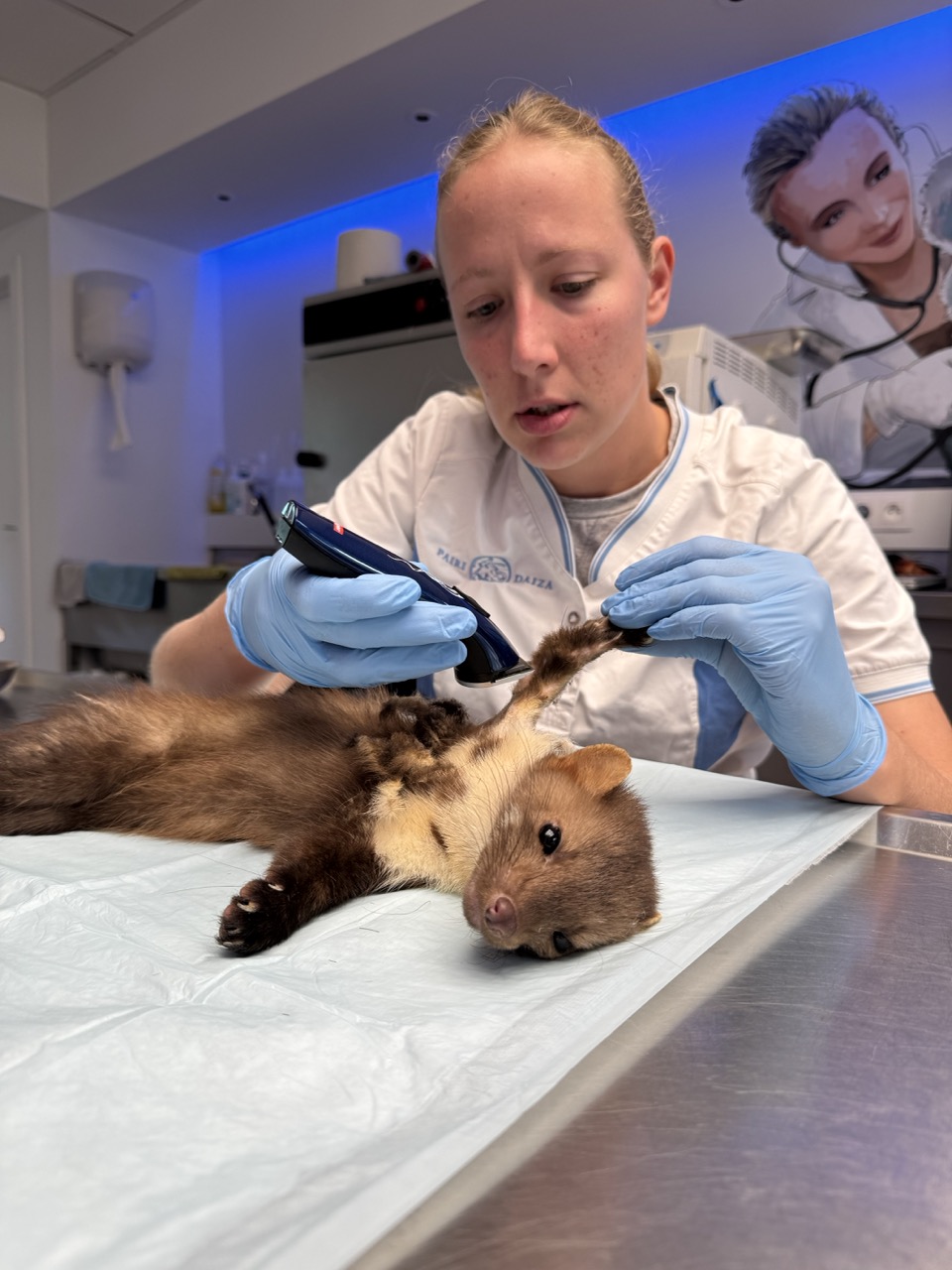
Treatment in Géraldine’s Heaven
Birdhouse turned menagerie
The zoo itself was founded by lawyer Eric Domb in 1993 as Paradisio, it began as a modest bird garden before being reborn and rebranded in 2010 as Pairi Daiza, borrowing its name from the Avestan term for “paradise enclosed.” Since then, what began as a sanctuary for avian life has blossomed into a sprawling realm that is home to more than 7,000 animals and 800 species, housed within carefully themed “worlds” that echo the continents.
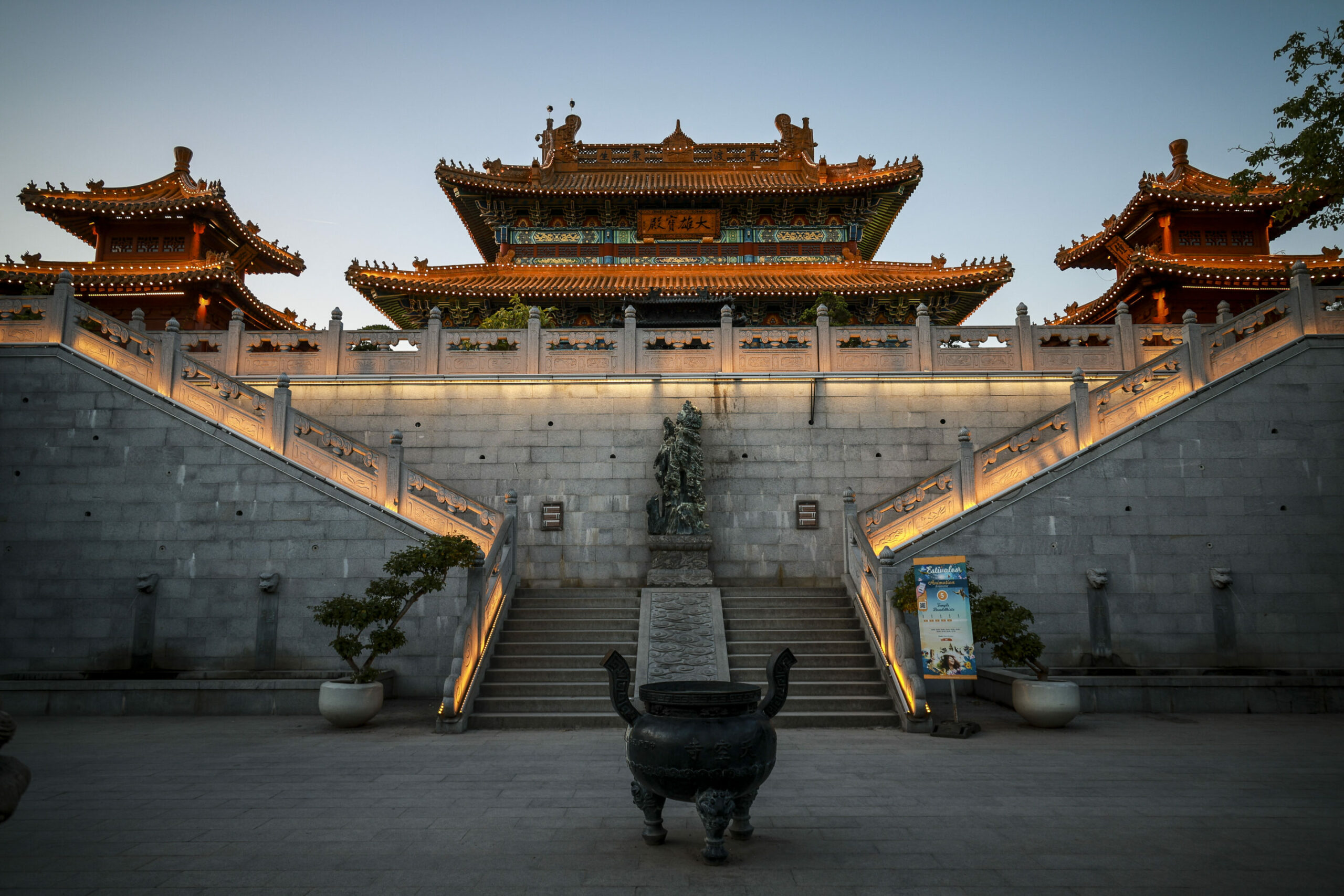
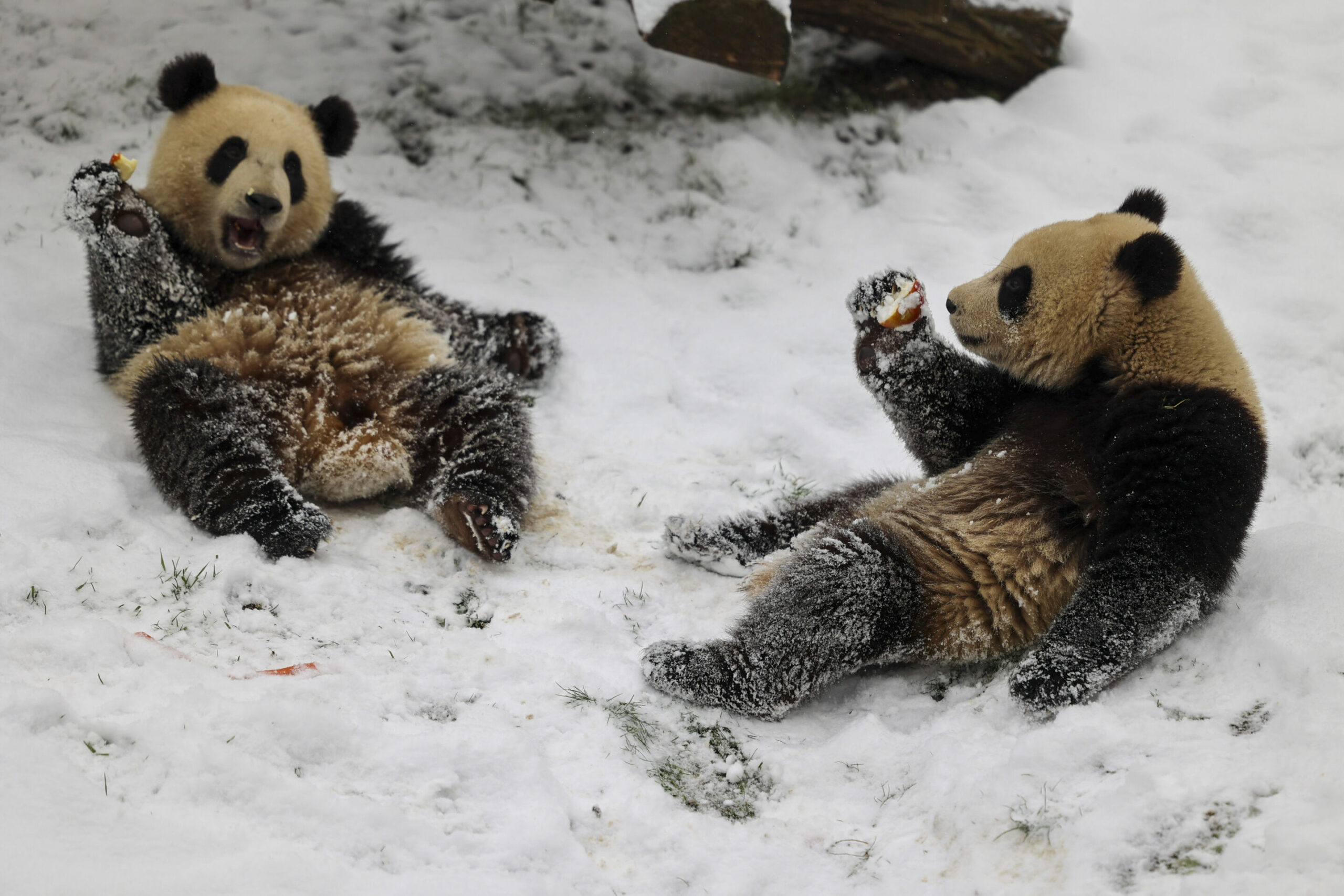
It is one of the few European zoos to boast giant pandas, having set up an elaborate Chinese garden, along with Chinese-themed buildings, waterfalls, rocks, and plants to attract the creatures. Chinese President Xi Jinping even turned up at the zoo in 2014 for the opening ceremony of the giant panda hall, and many panda cubs have since been born there – a rarity in any zoo. One of the newest animals is also Chinese: the rare and adorable snub-nosed monkey, reduced to below 500 in the wild.
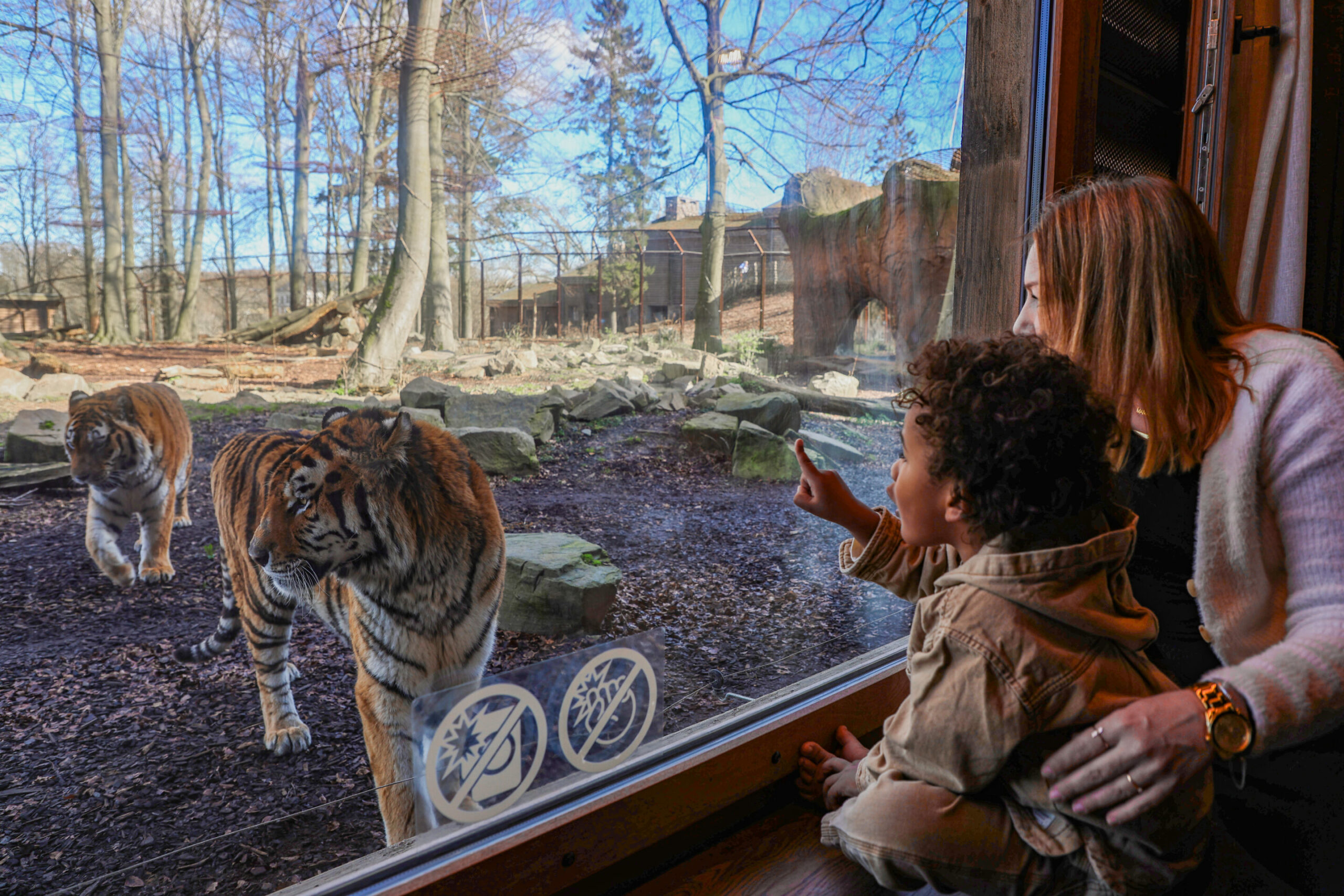
Pairi Daiza animal park
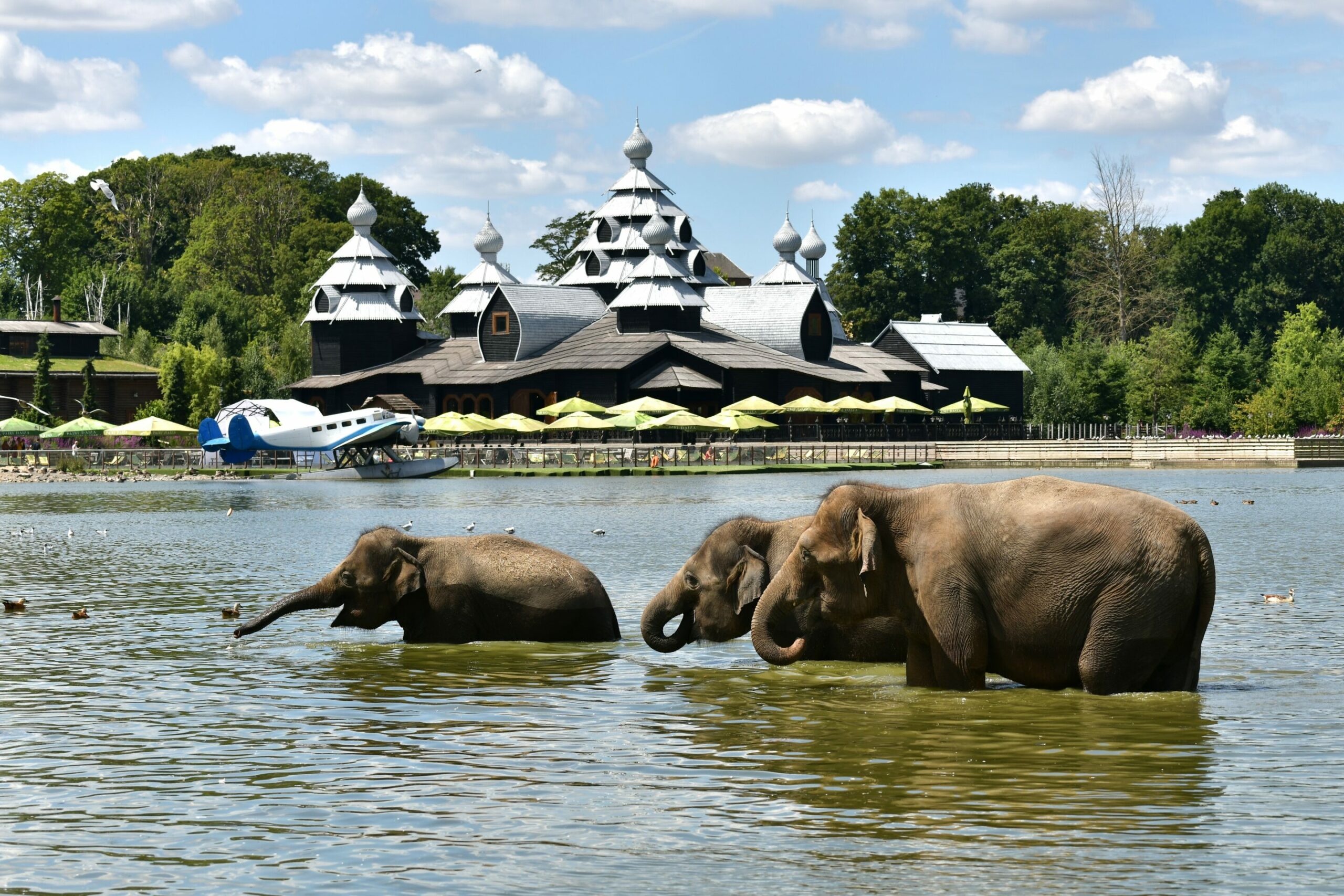
On the far side of Pairi Daiza, dominated by a shrine on a hill, is the Kingdom of Ganesha, inspired by southeast Asia, which includes an Indonesian garden and an artificial temple with orangutans (recalling King Louie’s ancient palace in Disney’s The Jungle Book movies). It also boasts 16 Asian elephants, crested macaques, Bengal tigers, capuchin monkeys, and a Komodo dragon. Other parts of Pairi Daiza cater for flora and fauna from the Americas, Africa, Australia, the oceans and the polar icecaps – all seen when visitors take the 20-minute steam-powered train ride around the park.
You might expect a zoo to feel like one – or even two – cities' worth of exhibits crammed together. But strolling through Pairi Daiza is instead a modular meditation in landscape, architecture, and fauna, from temple reliefs to tropical flora, pagodas to bamboo groves.
Beyond its theatrical designs, it stands firm in its stated mission to protect the wild. A longstanding member of the European Association of Zoos and Aquariums (EAZA), the park participates in about 40 European Endangered Species Programmes (EEP), even coordinating one for the Spix’s macaw. The Pairi Daiza Foundation goes further, funding global biodiversity projects, absorbing rescued reptiles and amphibians, and working closely with partners like WWF.
Expanding universe
Some 700 people work at the zoo (including its dozen restaurants and its brewery), but Pairi Daiza says it supports a further 2,500 indirect jobs. Pairi Daiza’s annual figures, released in a July report, show it invested more than €126 million in 2024, “in the service of hospitality, cultural transmission, and the relationship between humans, nature, and the living….to improve infrastructure, enhance the visitor experience, and seek sustainable solutions for the future.”
Visitor numbers are impressive: almost 2.7 million people passed through its gates last year (up 16.3% from 2023), boosting turnover to €138.9 million (up 18.7%).
Pairi Daiza
And it keeps growing, with new features and attractions. A few years ago, it began offering visitors the chance to sleep in a room just a (very thick) window away from polar bears, penguins and tigers. Recent launches include the new Prehi Daiza, where 60 animatronic dinosaurs and Ice Age creatures stomp and roar (they play the music from Jurassic Park there). More zen is The Islands of the Rising Sun, inspired by Japanese landscapes, which includes a deer petting zone.
It is set to unveil a new section next year, called Sanctuary, in what will be the world's largest tropical greenhouse, aiming to immerse visitors in a steamy oasis surrounded by rare animals and exotic plants. Spread over four hectares, it promises a “journey through three ecosystems”: jungle, desert and ocean, with water basins linked together by canals and an underground network of caves more than 120 metres long, and yet more animals, including sharks, manatees and monkeys.
Spirit and spectacle
For zoologist Steffen Patzwahl, who has been part of the park since its earliest days, the enclosures themselves should tell a story. “It’s not really what you’d call a traditional zoo enclosure,” he says, gesturing towards the vast orangutan habitat. “We’ve mixed Asian small-clawed otters with orangutans, which is a fantastic enrichment for both species. From the outside, it looks like a simple structure, but step inside and you find yourself in a giant temple.”
That temple is modelled on Jain architecture, one of the world’s oldest religions, rooted in non-violence. “We thought it was interesting to combine those ideas with the presence of animals,” Patzwahl explains. “Usually, enclosures are cold and functional. We wanted to create something different – a space that tells a story.”
Pairi Daiza animal park
This blending of nature, culture and spirituality has become Pairi Daiza’s hallmark. Over the years, the park has added Buddhist shrines, Taoist pagodas, a Chinese garden and Balinese sculptures, each carefully sourced with craftspeople and artists from their regions. The aim, says Patzwahl, is to transport visitors. “It’s a little like recreating a dream – we want people to feel as if they’ve stepped into another part of the world. Even those who don’t know the details of these cultures sense the authenticity.”
The animals, meanwhile, get as much attention as the architecture. Orangutans are given objects and fabrics to build nightly nests, echoing their wild behaviour of gathering leaves. “They prepare their beds differently every evening, which is fascinating for visitors to watch,” Patzwahl says. “It’s enrichment for them, but also a way to connect people to their natural instincts.”
Patzwahl’s own path to Pairi Daiza began far from Belgium. Born in Germany, he studied zoology, palaeontology and botany, later working in Spain and New Zealand before being invited to advise on the site in the early 1990s. At the time, the grounds of the former Cistercian abbey were for sale. “I said to the future owner, Eric Domb, this place has huge potential,” he recalls. “The lakes, the landscape, the history – it was a challenge, but also a dream. We started in 1993 and opened the park in May 1994. In the beginning, it was just a bird garden, but the vision was always bigger.”
That vision has since expanded to include a revalidation centre for reptiles – where police and firemen are trained to catch escaped exotics like snakes or crocodiles – and ever more ambitious developments, like the upcoming Sanctuary, a four-hectare tropical glasshouse. “It’s like building four football fields under glass,” Patzwahl says with a smile.
What unites these projects is a belief that animals should be experienced in context – cultural, spiritual and natural. “We don’t really consider ourselves a zoo,” he reflects. “It’s closer to a living cabinet of curiosities. A place where nature, art, and human imagination come together.”
Twin giant pandas at Pairi Daiza
And perhaps most importantly, the park has become a place of inspiration. Patzwahl remembers meeting a young veterinarian who had once been a child at a Pairi Daiza holiday camp. “He told me it was here that he decided to become a vet,” Patzwahl recalls. “That was the first time I realised this place could shape lives.”
Elephant memories
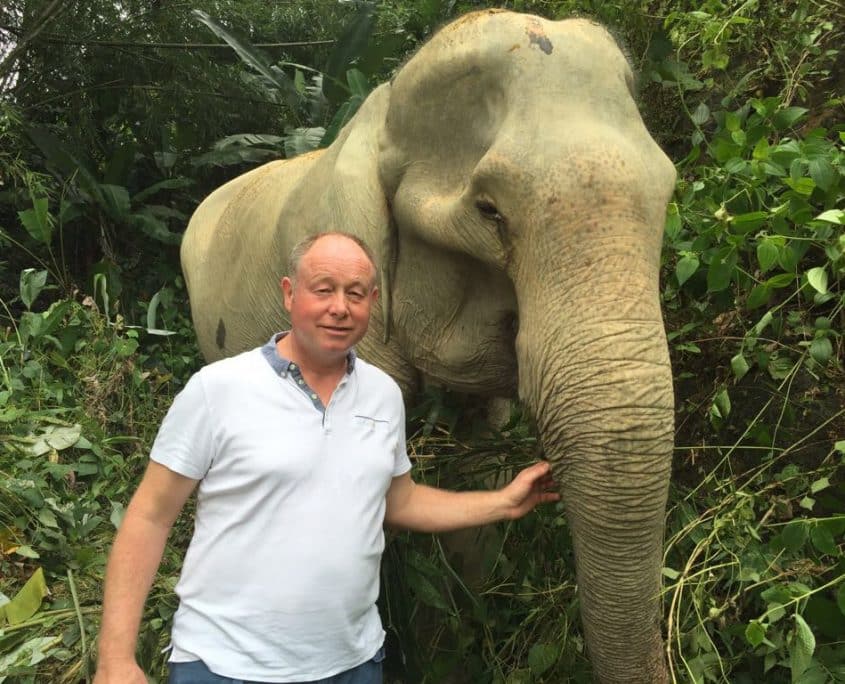
How about the animals themselves? Lee Sambrook, Pairi Daiza’s head elephant specialist, spends much of his time ensuring that they are healthy and happy. “I’m not just responsible for enrichment – I’m involved in every aspect of the animals’ care.”
That means working hand in hand with keepers, overseeing animal transfers, and above all, ensuring that the zoo’s animals can be trained to cooperate positively with their carers. “It’s not about teaching them tricks for visitors,” Sambrook stresses. “If an elephant allows us to take blood or administer an injection without sedation, that’s a huge welfare benefit. It means less stress, no drugs, and a better outcome for the animal.”
At Pairi Daiza, the 16 Asian elephants Sambrook oversees are the largest herd in Europe, with new calves recently born and more expected. As part of the European breeding programme, the herd is crucial for conservation. “These animals are endangered,” he explains. “Breeding them successfully is vital for their future, but it’s also about education. Visitors can see how intelligent and social elephants are, and they learn about the challenges they face in the wild.”
That social element runs deep. Sambrook has known some elephants for 25 years and insists they never forget. “I’ve come back after five or six years away and called them – they recognise me immediately. They’ll rumble with excitement, like cats purring, and rush over. Sometimes they even protect you, standing over you as they would a calf. It’s an extraordinary bond.”
Pairi Daza Lee Sambrook
His job, however, is not all affection. Elephants need their feet trimmed monthly, are bathed daily and require constant stimulation to prevent boredom. Sambrook dismisses the idea that space alone is what matters. “You can give them 20 hectares, but if there’s nothing in it, they’ll just stand waiting for a keeper. What matters is what you do with the space – how you enrich it, how you arrange it, how you challenge them.”
Conservation science is part of his remit too. Pairi Daiza is involved in research on elephant herpes virus, a deadly disease that has killed calves both in captivity and the wild. “I’ve lost animals to it in the past – two in two weeks. It’s devastating. But thanks to our close contact, we can contribute to developing treatments. In the US, new therapies are showing promise. If we can help calves survive, that’s a breakthrough for the species.”
For Sambrook, the job is a vocation. Born in North London and seasoned by decades in zoos worldwide – from London to Perth, from Thailand to Belgium – he has made elephants his life. “I lived and breathed them,” he admits. “If one was sick, I would sleep beside it. If a calf was about to be born, I would stay through the night. You don’t do this job for money. You do it because it’s a calling.”
That passion, he believes, is shared across Pairi Daiza. “The teams here are constantly learning, exchanging ideas, and looking for ways to do better,” he says. “Visitors see the elephants and think about conservation. But behind the scenes, we’re also contributing knowledge that could help protect them in the wild. That’s why places like this matter.”
Related News
- Snow to come for some in Belgium next week
- How the Flemish Giant rabbit went from food to family
- Inside Belgium's infinite library of nature
- Was the world’s first dog from Belgium?
- Arts and events in Brussels and beyond
- More sharks spotted in the North Sea: scientists issue call for help
- Wolf Maurice missing for weeks and feared dead in Limburg
