
Fewer foreign workers are moving to Belgium, both under EU posting rules and through national visa schemes, as the country's labour market cools.
Reports from the federal migration centre Myria and De Tijd link the fall to economic shifts and policy changes that are reshaping demand for migrant labour.
In 2024, about 205,000 people worked in Belgium under EU "posting" rules, nearly a quarter fewer than the 267,000 recorded in 2017.
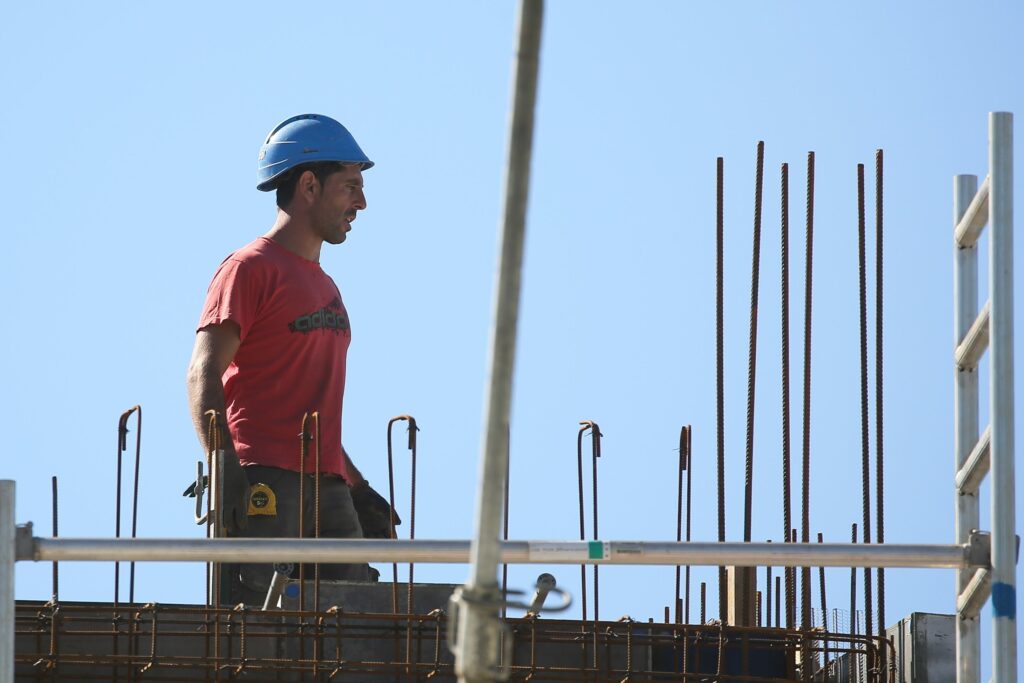
The system allows employees to take temporary jobs in Belgium while remaining under their home country's social security. Portuguese construction workers, for instance, may be based on Belgian sites but still employed in Portugal.
Non-EU arrivals are also down. The number of long-stay work visas fell by 9% in 2024 to just over 8,000. Short-term permits for temporary jobs dropped 12% over the same period, while work-related residence permits stayed flat at around 39,000.
The rise of "double postings"
Not all categories are shrinking. "Double postings," where non-EU workers are first hired in another EU country before being sent to Belgium, are rising rapidly.
Nearly 50,000 people worked in Belgium in this manner in 2024, representing a 10% increase over the previous two years. Many came from Ukraine, Brazil, Belarus, Bosnia and Herzegovina, and India.
The figures show that even as direct postings from EU states decline, Belgian employers continue to tap into global hiring chains. Construction, logistics and agriculture are especially reliant.
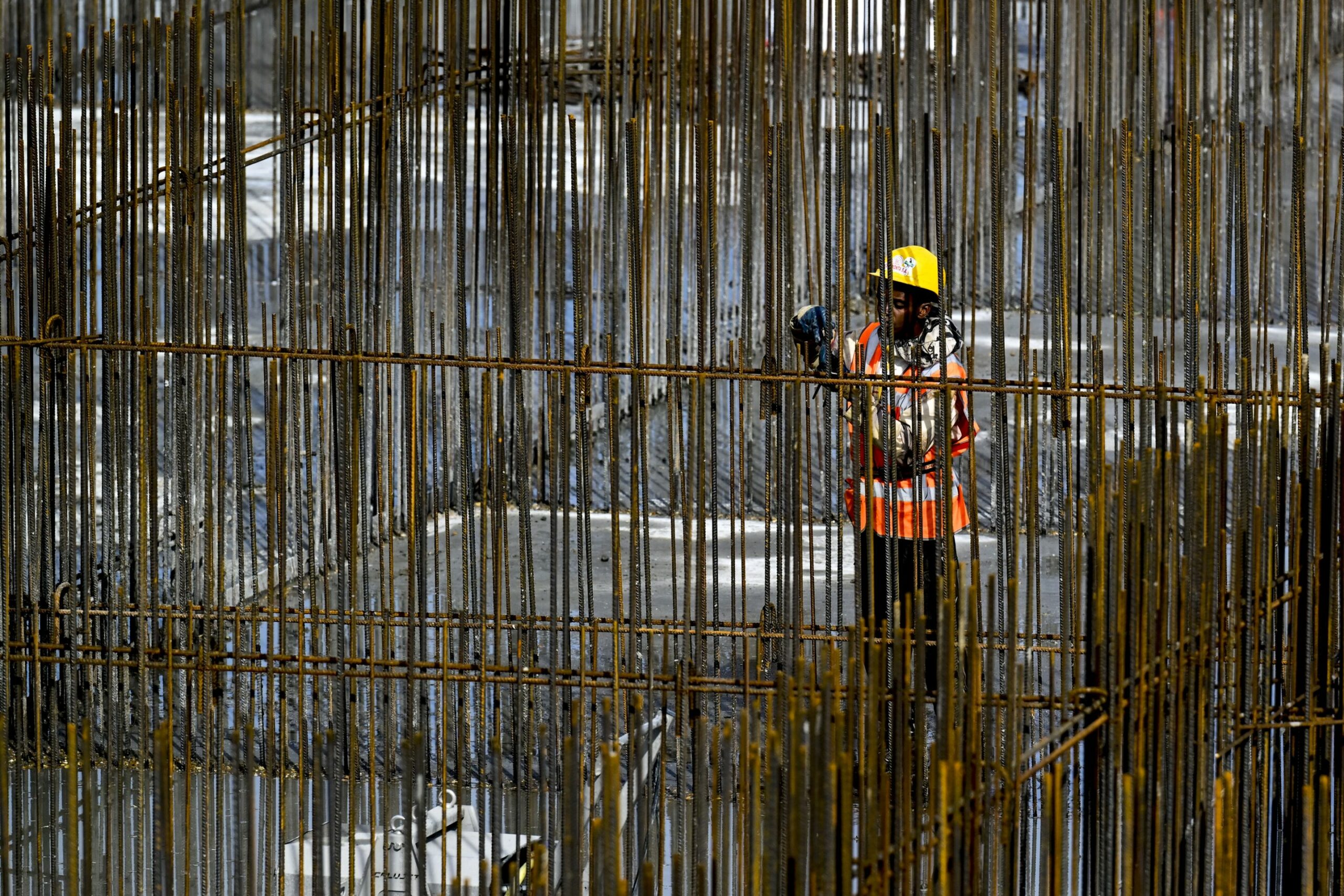
A worker pictured during a visit to the construction site of the Prinses Elisabeth Eiland. Credit : Belga.
Economic squeeze
Officials attribute the slowdown mainly to weak growth and rising costs, which have cut demand for labour. Stricter entry and residence rules for non-EU nationals have added another brake.
Even EU citizens, who do not need visas, are arriving in smaller numbers. Since 2017, Belgium has lost nearly 62,000 posted EU workers. The trend suggests that not only policy but also wider economic conditions are driving the fall.
Borders tighten
The slowdown comes as Europe tightens its border controls. From October 2025, the EU's Entry/Exit System will replace passport stamps with digital records, collecting fingerprints and facial scans to track overstays.
Seasonal and short-term workers may find opportunities shrinking just as checks grow stricter. In 2026, another system (ETIAS) will require visitors from 59 visa-free countries to apply for authorisation before travelling.
The permit will be valid for three years and allow multiple entries, but border guards will still decide who gets in.
Taken together, the new controls mark a step towards closer monitoring and standardised entry rules across the bloc.
Belgium's reliance on foreign workers is long-standing. But with EU postings falling, visas dropping and border checks tightening, the model is under pressure.
For employers, that may mean turning to local recruitment or automation. For workers, it could mean reconsidering Belgium as a destination.
