
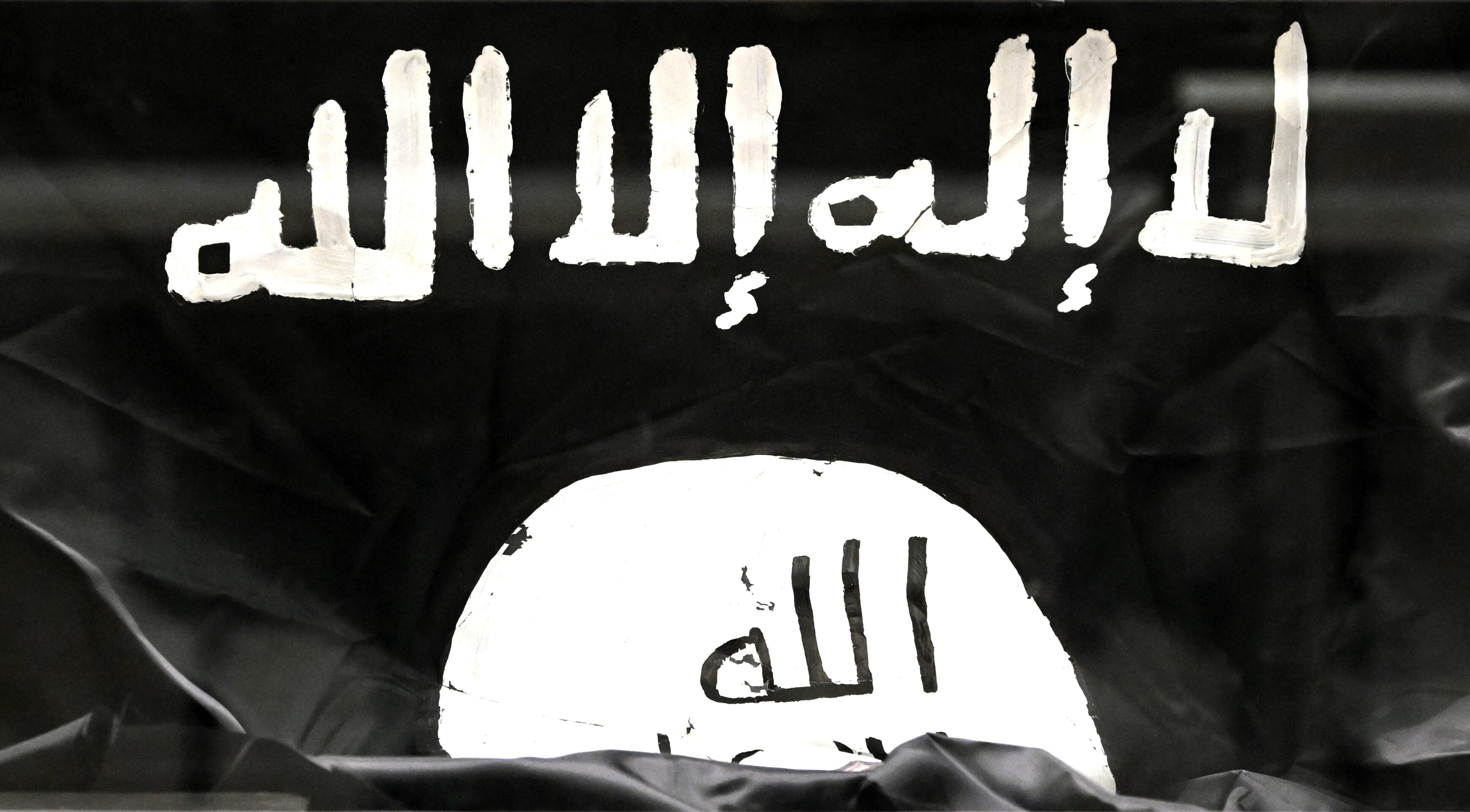
Not more than two months ago, The Brussels Times met with TRENDS Research & Advisory, an Abu Dhabi-based think tank, which hosted an annual forum on political Islam. Barely a fortnight later, Belgian police foiled a jihadist-inspired plot to assassinate Prime Minister Bart De Wever, just as analysts in Abu Dhabi unveiled a sweeping study mapping the global decline of political Islam's most organised network: the Muslim Brotherhood.
The two stories, unfolding in very different corners of the world, revealed a paradox: while the formal power of Islamist movements is waning, their ideological afterglow continues to inspire acts of violence in Europe.
Déjà vu
When police in Antwerp arrested three young men suspected of plotting a "jihadist-inspired terrorist attack" against Belgium's prime minister, it reopened an old wound. Searches near De Wever's residence uncovered materials resembling an improvised explosive device, a bag of steel balls, and a 3D printer allegedly used to prepare a drone for the attack.
The suspects, all from Antwerp and aged between 17 and 24, were charged with attempted terrorist murder and participation in the activities of a terrorist group. One was released for lack of evidence, but the other two remain under investigation.
For many Belgians, the episode carried an unsettling sense of déjà vu. Just last year, five individuals were convicted over a 2023 plot to attack De Wever when he was still mayor of Antwerp. Belgium’s federal prosecutors have opened 80 terrorism-related investigations this year alone, already more than the total for 2024.
While Belgium grapples with yet another reminder of homegrown radicalisation, thousands of kilometres away, researchers in Abu Dhabi gathered to analyse the very ideology driving such acts.
At its Fifth Forum on Political Islam, TRENDS launched the Muslim Brotherhood International Power Index, an ambitious project mapping the group's global influence across fifty countries. The findings were stark: the Brotherhood’s overall power dropped from 64% in 2021 to 48% in 2023, shifting it from the "strong influence" to "moderate" category.
The decline, the study argues, stems from the Brotherhood's fading media reach, deep internal divisions following the death of its leader Ibrahim Munir, and growing international isolation. Reconciliations between Egypt, Turkey and the Gulf states have further eroded its operational footing.
Complementing the index, TRENDS also analysed 1.67 million tweets, revealing that hostile attitudes towards the Brotherhood accounted for 81.8% of total engagement. Once a master of online mobilisation, the movement now faces a digital backlash that mirrors its loss of credibility offline.
The new faces of political Islam
Yet the paradox remains. If the Brotherhood is in retreat, why do attacks inspired by jihadist ideology still erupt in Europe?
The answer may lie in what experts call the post-organisational phase of political Islam, a moment when formal structures collapse, but their narratives live on, reinterpreted by individuals and small, decentralised networks.
French scholar Gilles Kepel famously dubbed this "djihadisme d’atmosphère": a diffuse, ambient jihadism that no longer relies on orders or membership but thrives in the ether of online grievances, personal frustration and globalised victimhood.
This new radicalism often borrows the apocalyptic rhetoric of ISIS while drawing on the political Islam once championed by the Brotherhood. The result is a hybrid threat: less hierarchical, more emotional, and infinitely harder to predict.
"Political Islam has not disappeared; it has atomised," explains Dr Wael Saleh, a political Islam advisor at TRENDS. "It's no longer about one central group but about a dispersed ideology adapting to social grievances and identity crises."
Belgium, which once produced one of the highest per-capita numbers of foreign fighters in Syria, remains especially vulnerable to this kind of ideological diffusion. Antwerp, De Wever's home turf, epitomises Europe’s dual struggle, a city of vibrant multiculturalism and, at times, of radical temptation.
The latest plot targeting Belgium's prime minister may have failed, but it highlights a larger truth: Europe is facing the aftershocks of political Islam long after its organisational structures have crumbled.
As Abu Dhabi researchers chart ideological decline, European security services are left to deal with its mutations, lone actors radicalised online, decentralised cells inspired by the remnants of ISIS or the spectre of the Brotherhood, and a narrative of grievance that refuses to die.
The Muslim Brotherhood’s waning influence may not mark the end of political Islam, but rather its transformation into something more elusive, an ideology no longer rooted in mosques or movements, but floating freely in the digital ether, radicalising minds one algorithm at a time.
