
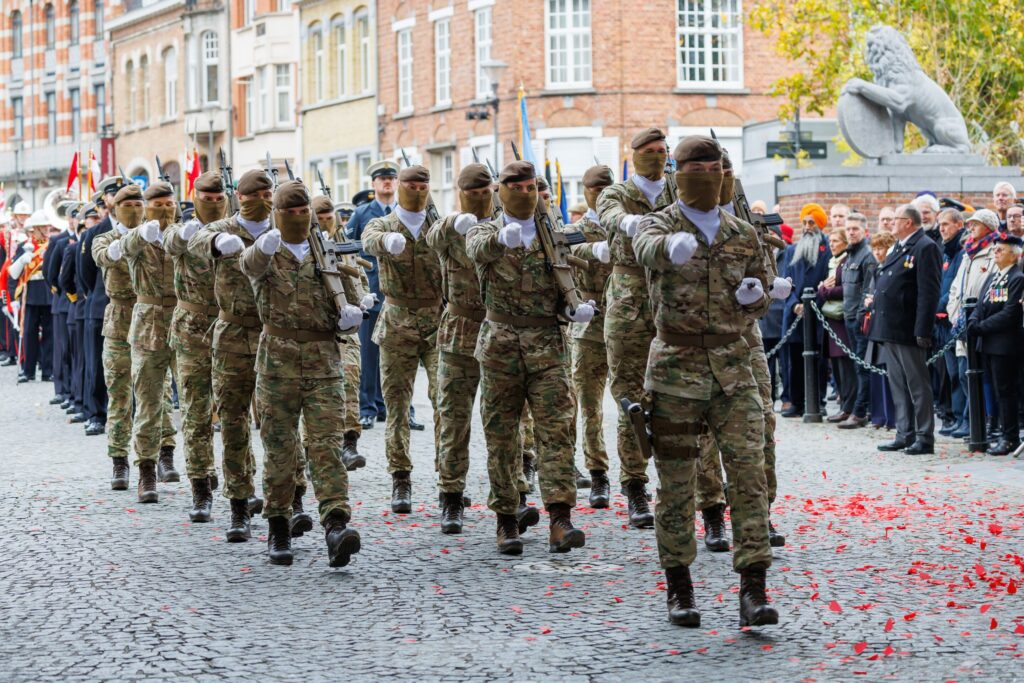
Belgium is preparing a profound shift in the way young adults can engage with national defence.
From September 2026, the country will welcome its first cohort of volunteers for a year of military service, open to all young people aged 18 to 25.
The measure, championed by Defence Minister Theo Francken (N-VA), has sparked both enthusiasm and debate in political circles, particularly as the government races to strengthen the ranks of the Belgian army.
Full-time reservists
The outlines of the programme were clarified during a parliamentary hearing of the Defence Commission on 16 July 2025. Francken explained that volunteers will spend a full year under the status of full-time reservists. Their trajectory will begin with ten weeks of basic training, identical to that followed by active-duty soldiers.
They will then move on to a period of professional specialisation depending on the needs of the Defence Ministry - ranging from logistics and engineering to cyber defence or operational support. Once trained, they will be integrated into army units and contribute to the daily functioning of the forces, with tasks and responsibilities comparable to those of regular personnel.
As for a typical day in this voluntary military service, no precise information has been released so far. When asked for further details, Théo Francken’s spokesperson, Jan Van Camp, declined to answer our questions.
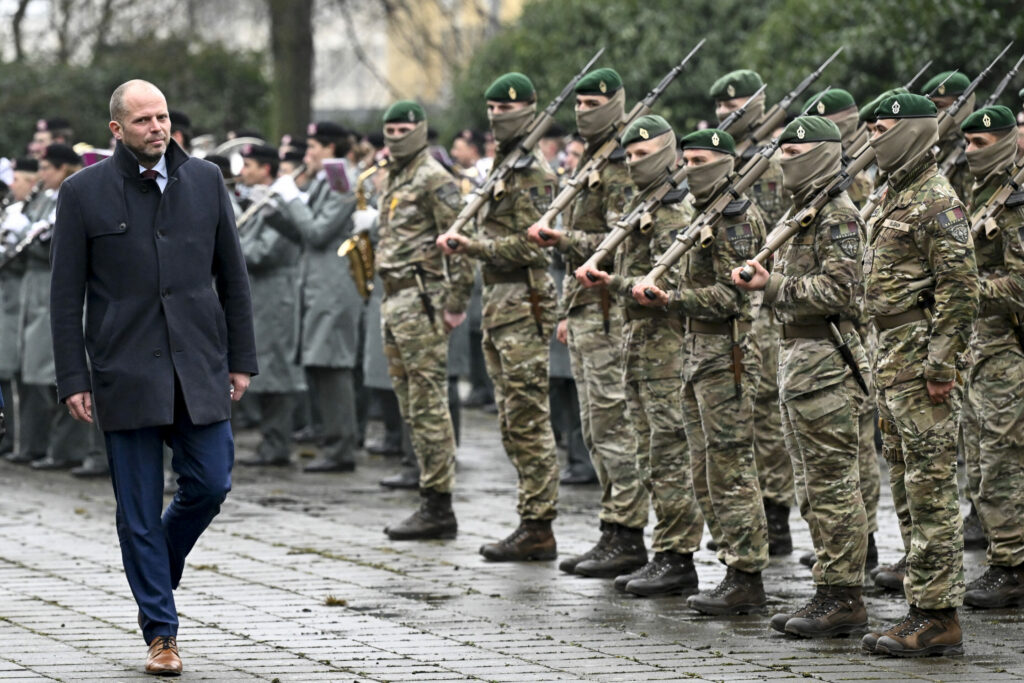
Theo Francken arrives for a visit to the Defense Headquarters in Evere, Tuesday 11 February 2025. Credit: Belga/Dirk Waem
First work experience
For many of these young recruits, the year will be more than a civic commitment. It is presented as a first valuable work experience, with military and technical skills that can later be transferred to civilian life.
At the end of their service, participants will be free to return to their studies, begin a civilian career while remaining reservists, or apply to become active-duty soldiers or civilian staff within the Defence Ministry. Francken insists that this experience will enrich young people's CVs and expose them to a structured work environment at a pivotal age.
For Francken, this initiative responds to a major strategic need. Belgium has been struggling for years to attract enough recruits, and the minister hopes to expand the army’s pool of reservists from the current 6,600 to around 20,000. Early indicators show significant interest: more than 3,100 young people have already registered for provincial information sessions organised across the country.
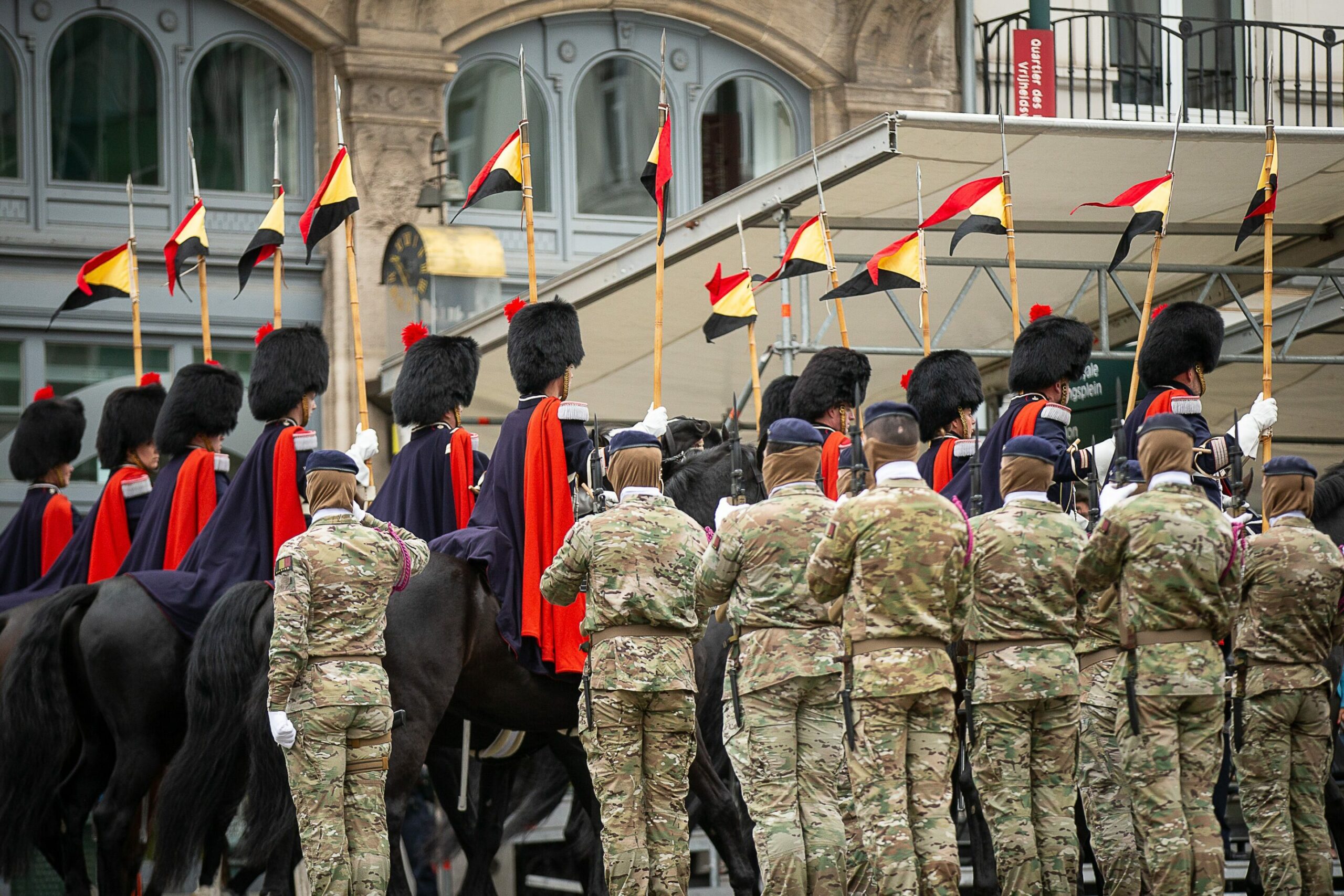
Illustration picture shows a World War I commemoration at the 'Tomb of the Unknown Soldier' monument in Brussels, Tuesday 11 November 2025. Credit: Belga Image/James Arthur Gekiere
Invitation by mail
The path into the programme has been designed to begin early. Thousands of 17-year-olds have already received a letter from the minister inviting them to learn more about the service and attend an information session.
This mass mailing, nearly 149,000 letters in total, has been one of the most controversial aspects of the project. The Data Protection Authority issued a sharply critical opinion, arguing that the initiative was disproportionate and that such communication should come from the National Register rather than a minister.
It also stressed that letters sent to minors should be addressed to parents. Francken declined to comment on these criticisms, saying only that his determination to reach young people “remains unchanged.”
Conditions comparable to those of active-duty soldiers
The precise list of resources needed to launch the programme - budget, personnel, infrastructure - is still being finalised within the Defence Ministry. What is already known, however, is that the service will offer conditions comparable to those of active-duty soldiers.
The net monthly salary should be around €2,000, along with housing, meal vouchers, free transport and access to healthcare. This combination of financial and professional incentives is considered a central element of the reform.
The first cohort of around 500 volunteers is expected to begin service in late summer 2026, with new incorporations planned in October and additional ones the following year. If the government’s ambitions hold, these young recruits will form the foundation of a wider revitalisation of the Belgian armed forces at a time of heightened geopolitical tension in Europe.
