
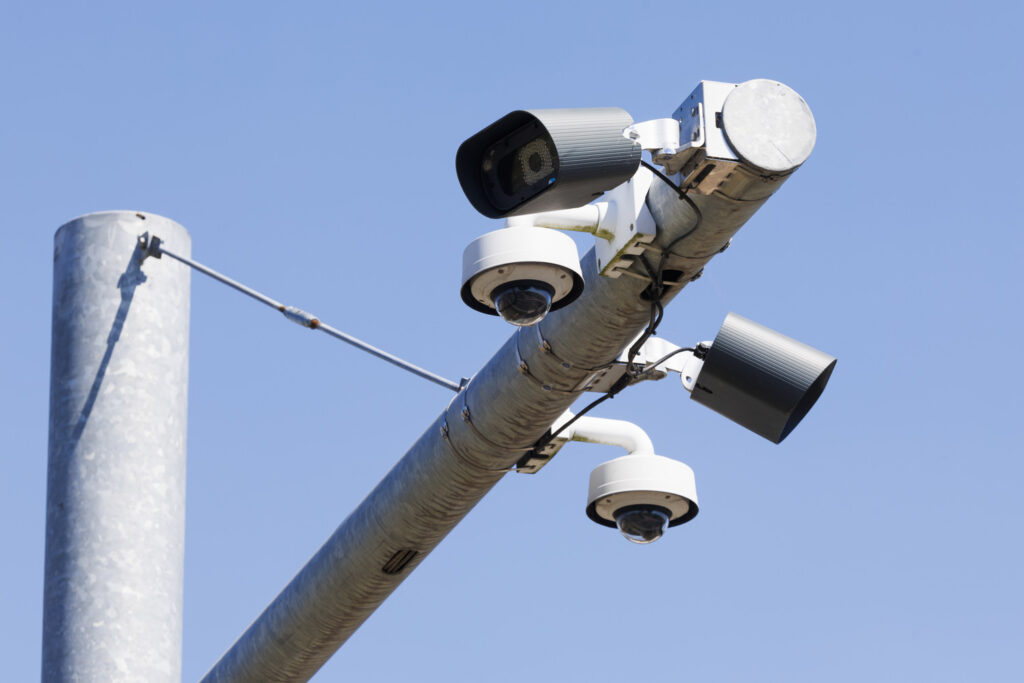
A checklist for the use of Automatic Number Plate Recognition (ANPR) cameras was released by the Flemish Data Protection Authority (VTC), which emphasised the need for transparency and privacy safeguards.
Authorities are urged to first objectively prove the existence of speeding issues on specific roads before installing section control systems.
The checklist will also be used by the commission to assess cases, particularly in response to complaints. It requires municipalities and organisations to justify the need for cameras at specific locations based on objective data.
According to the commission, ANPR cameras should not be treated as a default solution, given their inherent impact on privacy and data protection rights.
Privacy implications for all individuals must be carefully considered, and bystanders should not be captured by the cameras. The use of such systems should be limited to a specific purpose tied to the public mandate of the data processor.
The commission highlighted that agreements or targets aiming to achieve a quota of detected violations or revenue within a specific timeframe are unacceptable.
Earlier this month, Flemish Mobility Minister Annick De Ridder (N-VA) called for an end to partnerships with private operators for local section controls, criticising the profit-driven nature of such collaborations.
Additionally, the commission stressed the importance of clear and transparent communication to inform stakeholders about the cameras’ purpose before deployment.
It also advised against processing data that is not essential to a specific objective and recommended regular evaluations of whether the cameras achieve their intended goal.
