
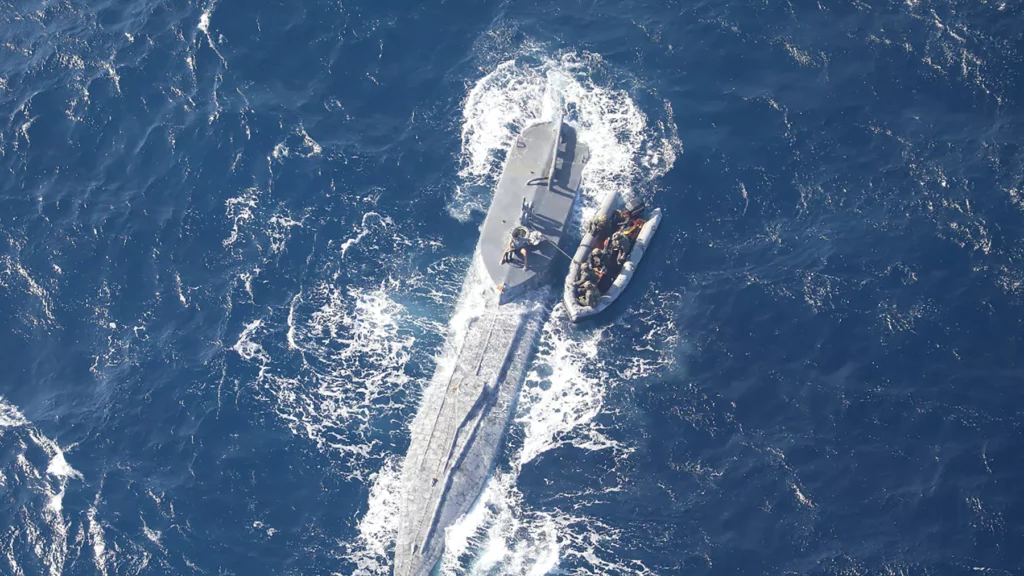
Antwerp's title as the cocaine capital of Europe could be under threat as drug traffickers find new ways to slip past authorities at major ports in Europe with submarines, drones and inflatable boats.
On Tuesday, Portuguese authorities intercepted a submarine off the coast of the Azores island carrying 10 tonnes of cocaine. They arrested four people on board.
As argued in a new analysis by Europol released on Tuesday, this speaks to a wider trend of trafficking cocaine to Europe by organised crime groups that is growing and diversifying.
Indeed, a new report from Belgium’s Ministry of Finance last week revealed how cocaine imports seized at the Port of Antwerp had decreased in the previous year.
Traffickers are increasingly finding new methods to bypass Belgian, European and Latin American authorities, as security is tightened at major ports – illustrated by the recent rise in cocaine seizures.
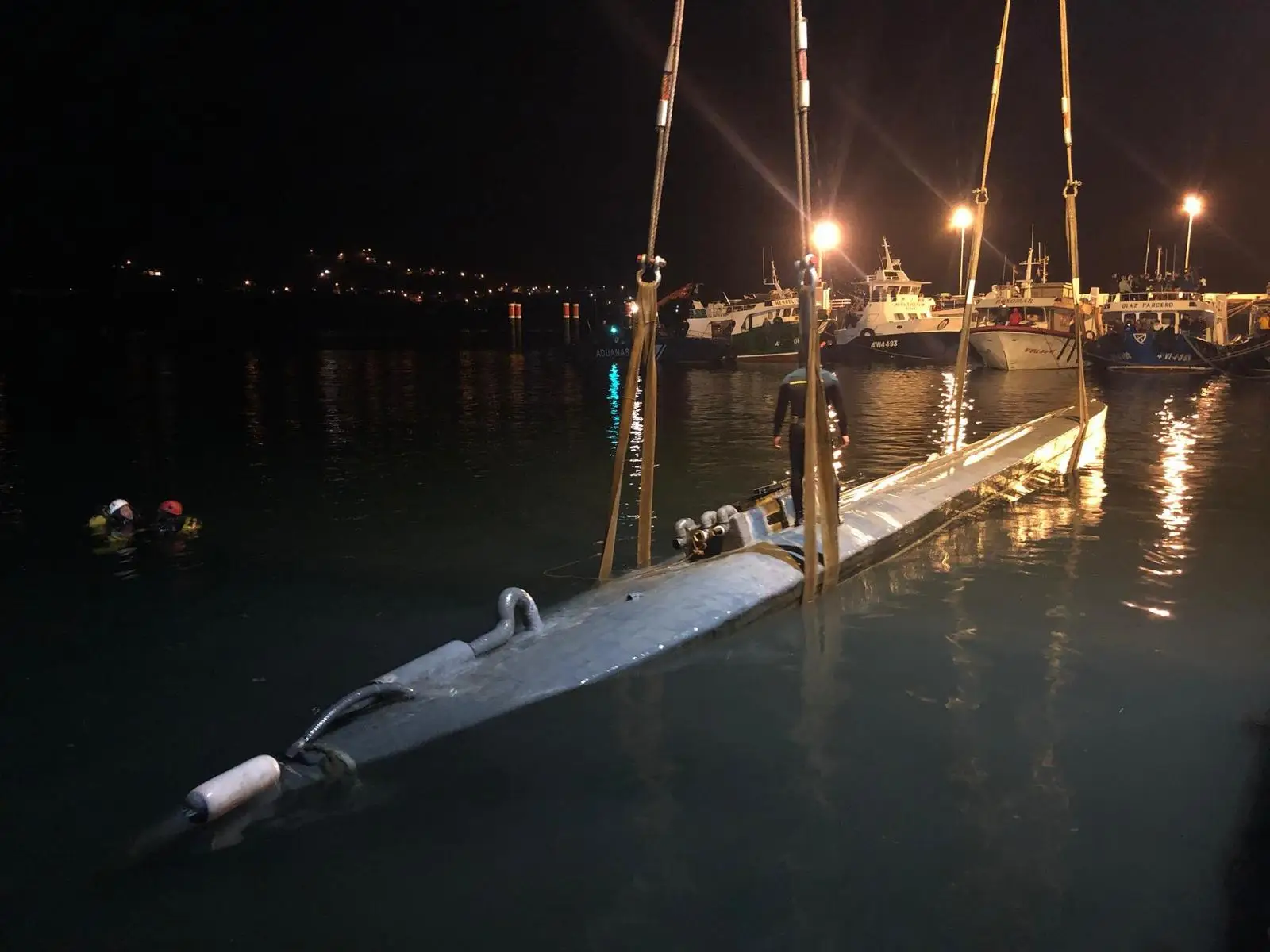
A submarine used by drug traffickers was seized during Operation Sombra Negra. Credit:
Today, cocaine imports into Europe continue at record levels, with gangs earning untold amounts of money which allows them to use the latest technologies.
Europol has found that these gangs are increasingly finding innovative ways to avoid heavier controls at the ports of Antwerp and Rotterdam with more sophisticated methods of concealment and transportation of cocaine.
"The evolving tactics of criminal networks trafficking cocaine into Europe across the ocean pose a significant challenge to law enforcement," said Europol Executive Director, Catherine de Bolle.
"We know that these groups are increasingly diversifying their methods, using smaller vessels, at-sea transfers, and clever concealment techniques to evade detection."
Underwater travel
As seen in Tuesday's seizure in the Azores, organised crime groups are now using advanced boats designed to cross the entire Atlantic Ocean, made especially for drug trafficking.
For transportation, traffickers increasingly use custom-built vessels, which can even include submarines or semi-submersible boats.
Furthermore, the report notes that, while drones and helium balloons were already used by criminal networks to traffic illicit goods, underwater drones have also recently been seized by EU law enforcement agencies.
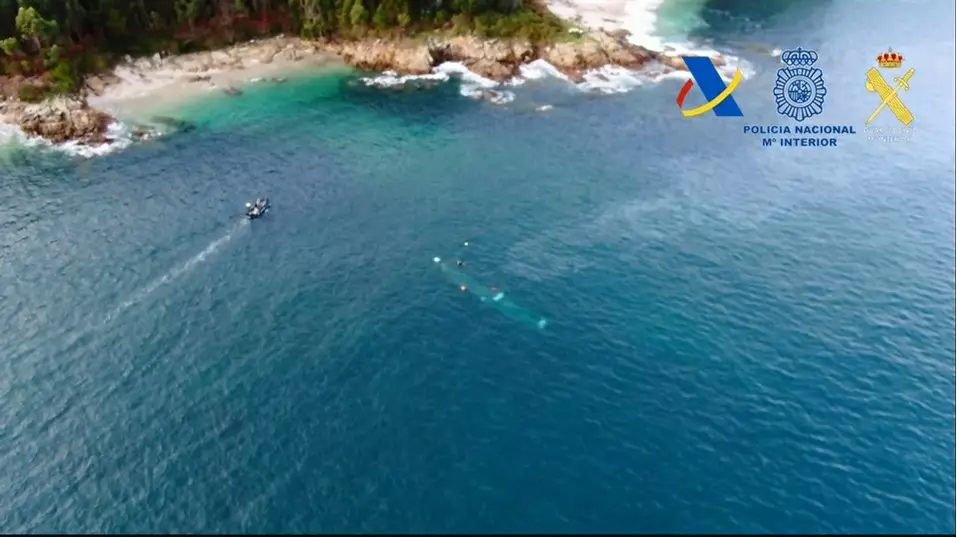
Operation Sombra Negra. Credit: Europol
It is not just submarines. Advanced maritime infrastructure used for transportation also includes smaller non-commercial vessels, e.g. fishing boats, leisure boats, tugboats, RHIBs, and speedboats.
A key technique being used by gangs is the use of at-sea drop-offs and transfers. These occur when a large "mother" vessel moves the cocaine from Latin America until meeting a "daughter" vessel at sea.
This meeting to transfer the drug shipment occurs off the coast of West Africa. It is then sometimes moved ashore for further shipment to the mainland EU or sent to the Canary Islands.
Using rigid-hulled inflatable boats, criminal networks also transport cocaine directly to mainland Spain. Upon reaching the Andalusian coast, they utilise the Guadalquivir River to transport cocaine inland for further distribution.
Large seizures near the Azores islands and Galicia (Spanish coast) have illustrated this trend. Operation Sombra Negra, led by the Spanish authorities, found that the gang employed high-speed vessels capable of exceeding 70 km/h, as well as a complex, encrypted communication system designed to evade law enforcement.
Better hiding places
Methods to conceal cocaine shipments are also fast-moving challenges for the authorities. Traditional trafficking methods have included hiding cocaine inside one-kilo bricks and concealing it among legal goods.
Today, Europol identified cases where traffickers have hidden drugs inside ship hull structures (like sea chests), which can be found below the waterline. These new methods are designed to help bypass scanners and sniffer dogs.
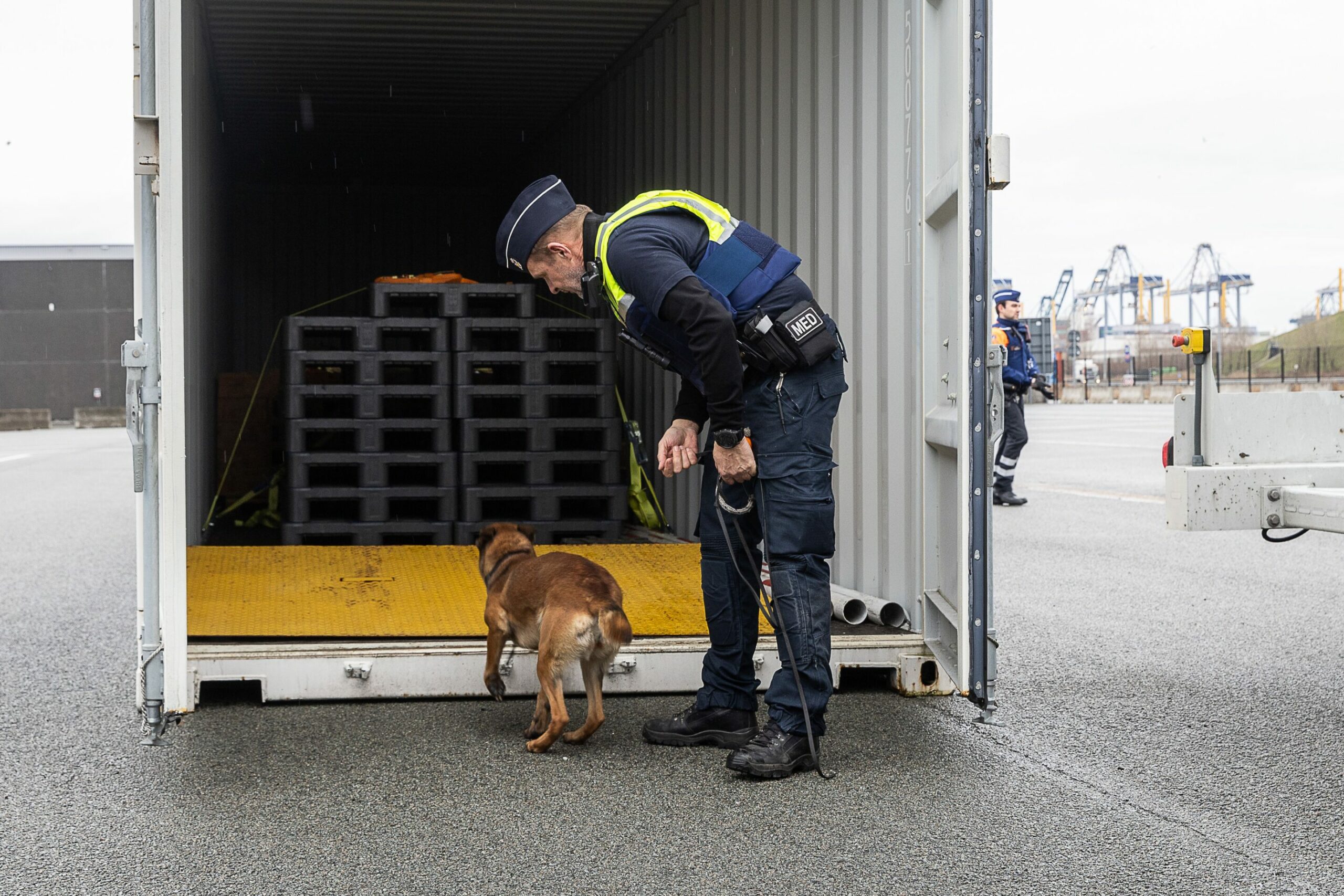
Illustration picture shows a drug dog at the Port of Antwerp, Wednesday 21 January 2026. Wednesday 21 January 2026. Credit: Belga
Drug loads are also being increasingly discovered inside objects, such as magnetic boxes or torpedo-like devices, with watertight bags attached under the hull. These require the cocaine to be extracted from the sea chest by professional divers upon arrival at any port.
Hiding cocaine in industrial equipment and machinery is another technique which makes detection challenging.
Here, the drugs are hidden in existing (or specially made) openings in the machinery, which may not be visible to scanners. In other cases, they are concealed inside several shipments, including food (e.g. frozen yucca powder), but also cowhides, cardboard, plastics, textiles, and charcoal.
These concealment methods require drug extraction laboratories across the EU, with specialists often brought over from Latin America. Belgium also has a high concentration of labs: 19 illegal laboratories were discovered in Belgium in the first half of 2025 alone.
Fooling authorities
So why are traffickers favouring at-sea transfers while bypassing Europe’s major ports?
Experts believe it reduces the risk of possible detection at ports, which hold an added risk when needing to bribe port workers and public officials, heightening the chance of being detected. But crucially, it gives these powerful criminal networks greater access and control over the trafficking chain and costs.
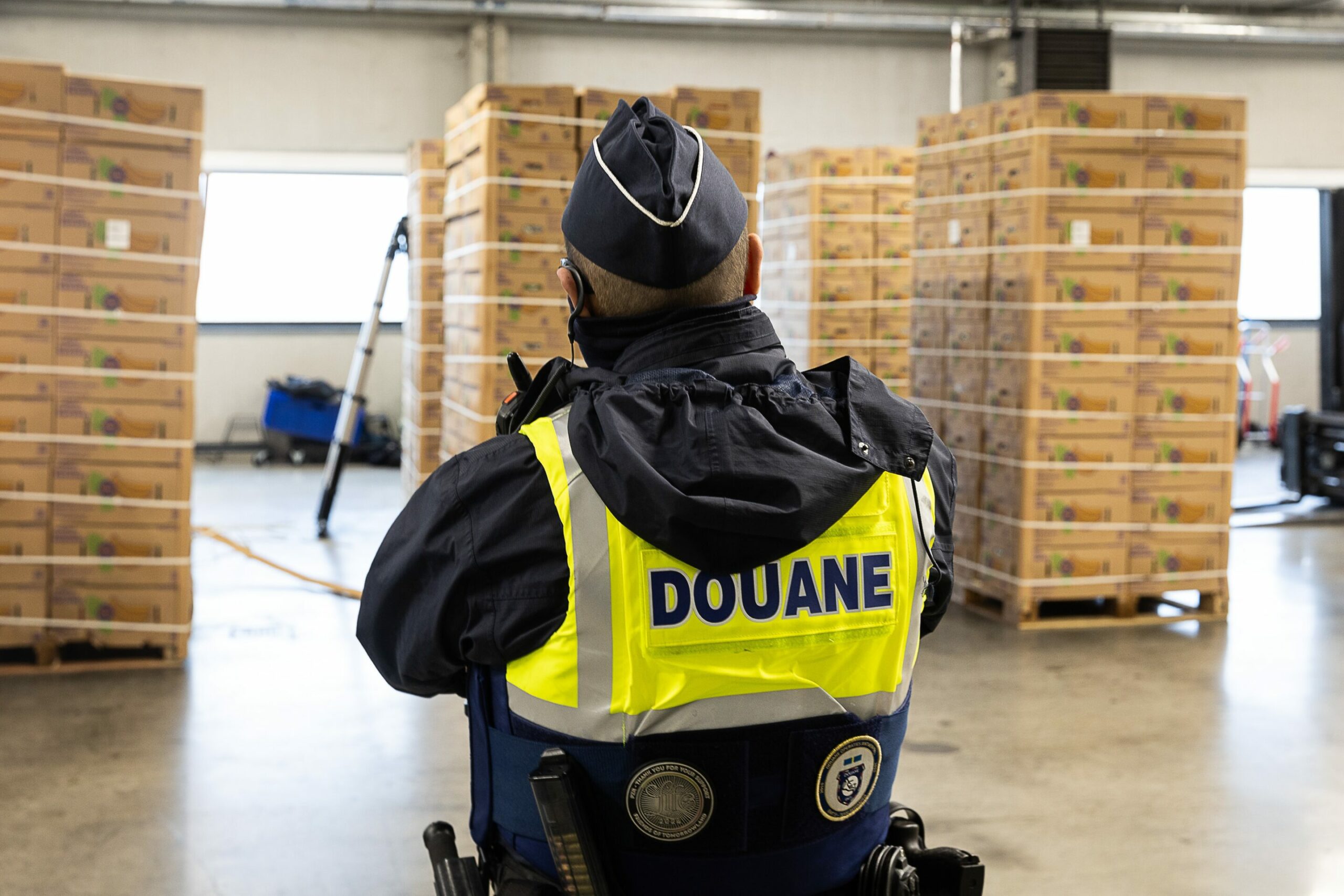
Illustration picture shows a custom officer after a press conference by the General Administration of Customs and Excise on the annual drug figures for 2025 at the port of Antwerp, Wednesday 21 January 2026. Credit: Belga
Authorities now have their work cut out when tracing important financial flows, as these new methods are heightening the use of cash and informal value transfers, creating more, smaller, and opaque financial flows.
Today, trafficking methods are now outpacing traditional container-focused controls, with authorities needing to close the gaps as new technology continues to advance quickly.
There is a need to move efforts towards monitoring and detecting open‑sea trafficking, Europol notes.
There is also an urgency to find new ways to crack the deep and chemical concealment of drug shipments, while also kick-starting a renewed push to track down the fragmented, cash‑based financial flows, which often result in money laundering.
