
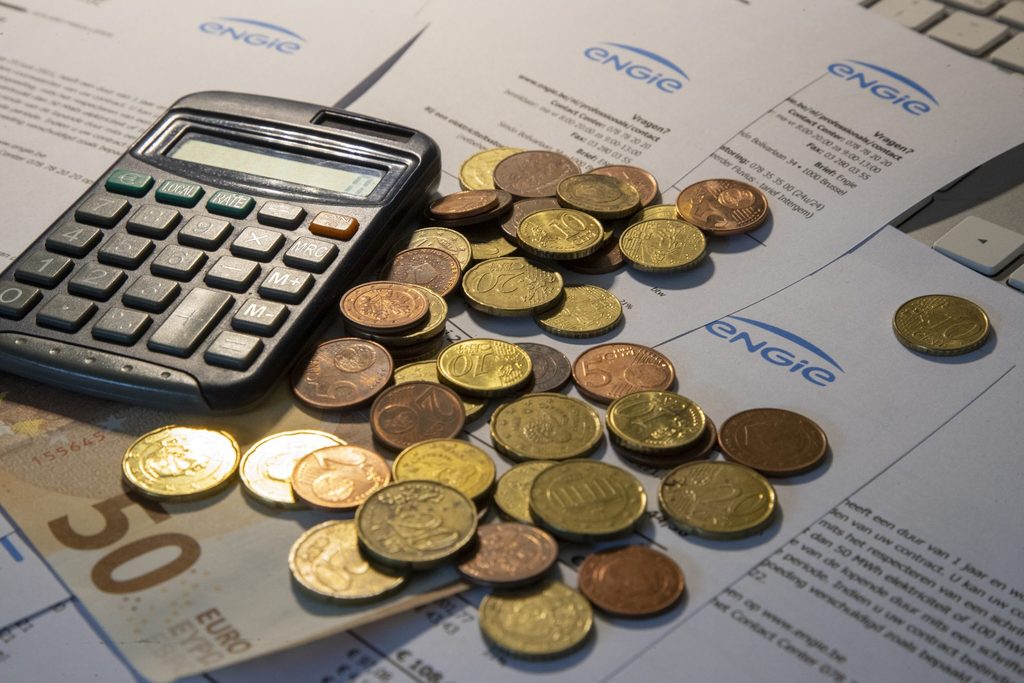
Household income and consumption grew slower in Brussels in 2024 than in the rest of the country, with residents of the capital still feeling the lasting effects of the inflationary shock.
This is according to figures reported by Le Soir citing the National Bank of Belgium (NBB) and the National Accounts Institute (NAI).
After several turbulent years marked by the pandemic and inflation, disposable income per capita returned to growth across all three regions. However, out of these, Brussels recorded the weakest increase. According to the data, disposable income per inhabitant rose by 1.5% in the capital, compared with 2.6% in Wallonia and 2.3% in Flanders.
Once inflation is taken into account, the contrast becomes even sharper. Real disposable income per capita declined slightly in Brussels (-0.2%), while it continued to grow in Wallonia (+0.9%) and Flanders (+0.6%). This means that, unlike Flemish households, residents of Brussels have still not recovered the purchasing power they had before the inflationary surge that began in 2021.
Uneven recovery across regions
As reported by Le Soir, the NBB notes that Brussels and Walloon households remain below their 2021 purchasing power levels, three years after inflation began eroding household budgets. In Flanders, by contrast, purchasing power had already been restored by 2023.
This uneven recovery reflects broader regional disparities in income dynamics and cost-of-living pressures, with Brussels facing particularly strong constraints due to housing costs and everyday expenses.
Leisure drives consumption growth
Household consumption followed a similar pattern. Spending per capita increased more moderately in Brussels (+2.0%) than in Wallonia (+3.4%) and Flanders (+3.2%), according to figures relayed by Le Soir.
Leisure-related expenses were the main driver of consumption growth nationwide. Spending on experiences such as travel, concerts and dining out continued to gain importance in household budgets, illustrating a broader shift in consumption habits despite lingering pressure on purchasing power.
