
Human rights organisations have staged a symbolic raid on a warehouse in Geel, Flanders, where contraceptives worth nearly €10 million remain unused and at risk of destruction.
The stockpile includes millions of condoms, contraceptive pills, and HIV prevention medication. These were purchased by the US government and intended for developing countries, but they have been sitting idle since June last year due to a policy overhaul under US President Donald Trump. His administration scaled back the operations of USAID, the US development agency responsible for distributing such supplies.
Attempts by aid organisations to negotiate with the US government failed. As the products near their expiration date, approximately 26 million condoms, millions of oral contraceptives, hundreds of thousands of implantable contraceptives, nearly 2 million doses of injectable contraceptives, and 50,000 bottles of HIV medication remain in storage in Geel.
The American government has not agreed to release the supplies for free, nor has it identified buyers, making destruction likely. Only the HIV medication appears to be safe from disposal. Repackaging the items for redistribution was deemed unfeasible.
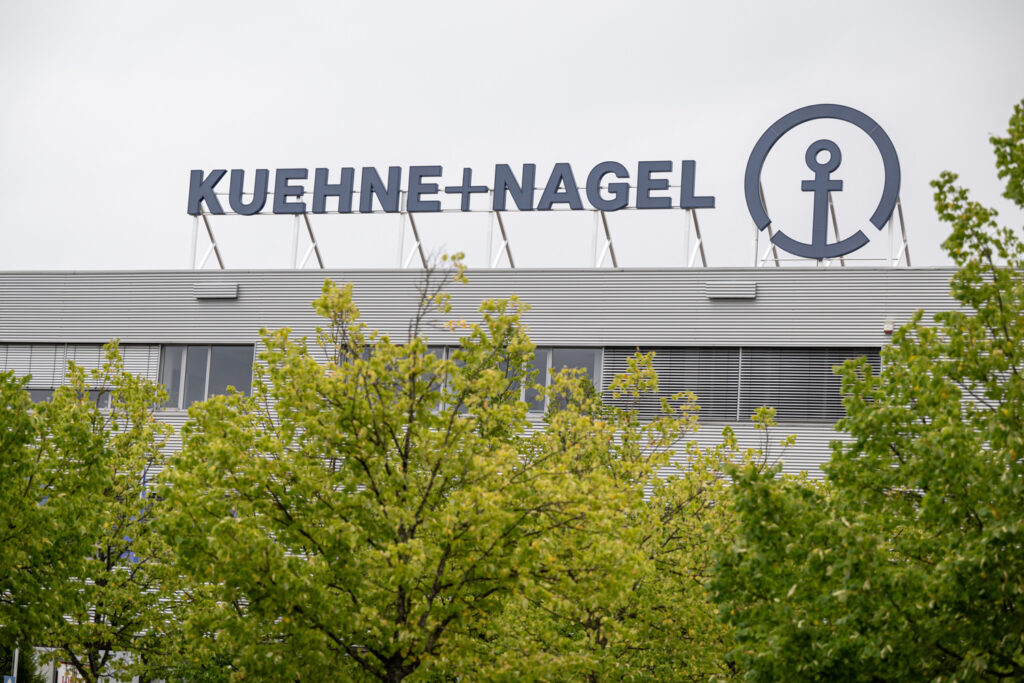
On Tuesday, members of Amnesty International and Médecins du Monde carried out a symbolic “break-in” of containers in the Geel warehouse to draw attention to the issue. At around noon, 20 activists gathered at the facility owned by Swiss logistics company Kuehne+Nagel. Carrying paper-made crowbars and wearing pink balaclavas, they briefly protested at the entrance before dispersing, leaving security guards to alert authorities.
“The current political inaction is unacceptable,” said Julie Capoulade of Amnesty International Belgium. “After exhausting all legal and diplomatic channels, we’ve resorted to direct action. We demand these containers be shipped immediately to regions where they are desperately needed.”
Capoulade stated that six formal notices have been sent to the Belgian government, offering solutions such as purchasing the supplies, but these proposals have not moved forward. Negotiations involving French, Belgian, and US authorities have so far failed to prevent the destruction of the goods.
The likelihood of salvaging the supplies is now questionable. French doctors from Médecins du Monde suspect that most condoms have already been moved to the Antwerp port for disposal. They warn that improper storage conditions, such as fluctuating temperatures, have likely rendered much of the stock unusable, effectively sealing its fate.
