
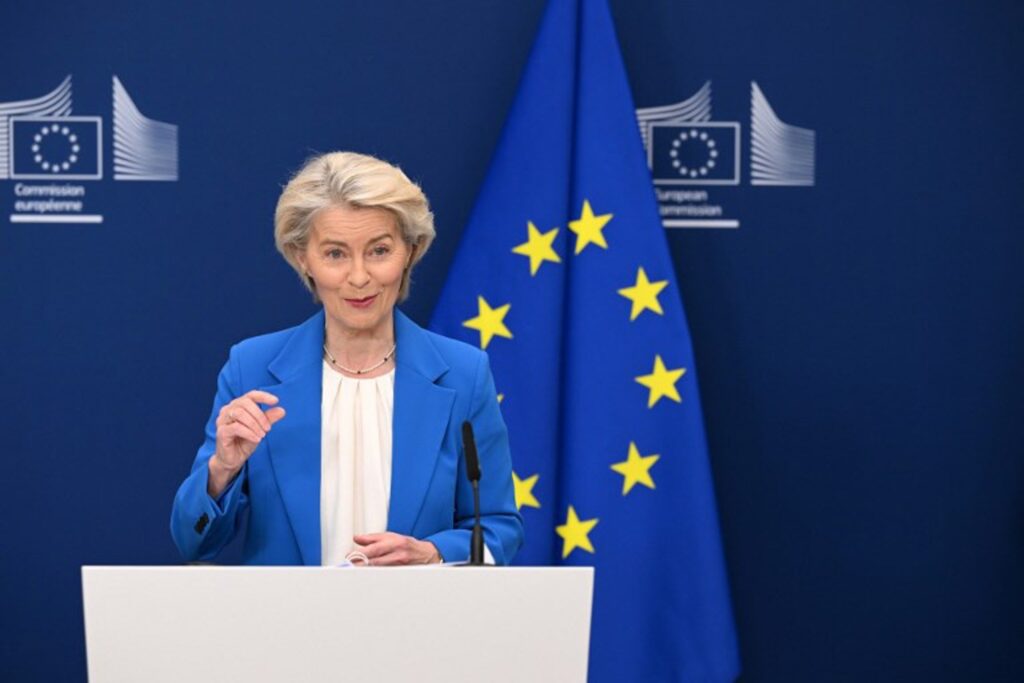
In 44 days of war in the Middle East, EU countries have seen the cost of fossil fuel imports increase by over €22 billion without gaining any additional energy supply, European Commission President Ursula von der Leyen lamented on Monday.
She warned that even if hostilities were to cease immediately, energy supply difficulties from the Gulf would persist for some time. She outlined a timeline for measures the EU could take to address the crisis.
The Commission plans to release a statement on 22 April, ahead of an informal summit of EU leaders in Cyprus, which currently holds the rotating presidency of the EU Council.
Von der Leyen noted that conditions are not yet in place for the EU to expand its budgetary flexibility to soften the impact of rising energy prices on households and businesses. Italian Prime Minister Giorgia Meloni had recently called for activating the EU Stability and Growth Pact’s general escape clause.
Discussions are set to occur in the coming days with member states about temporarily easing EU rules on state aid. Von der Leyen emphasised that financial support from member states should focus on "targeted and temporary" measures, avoiding large-scale interventions that could unnecessarily worsen public deficits.
The Commission stressed the importance of coordination among member states to prevent fierce competition over rebuilding gas reserves. It aims to coordinate the use of strategic petroleum reserves to maximise impact.
Efforts to reduce energy demand are also under consideration, aiming to respect consumer choice while increasing energy efficiency through building renovations and industrial equipment upgrades.
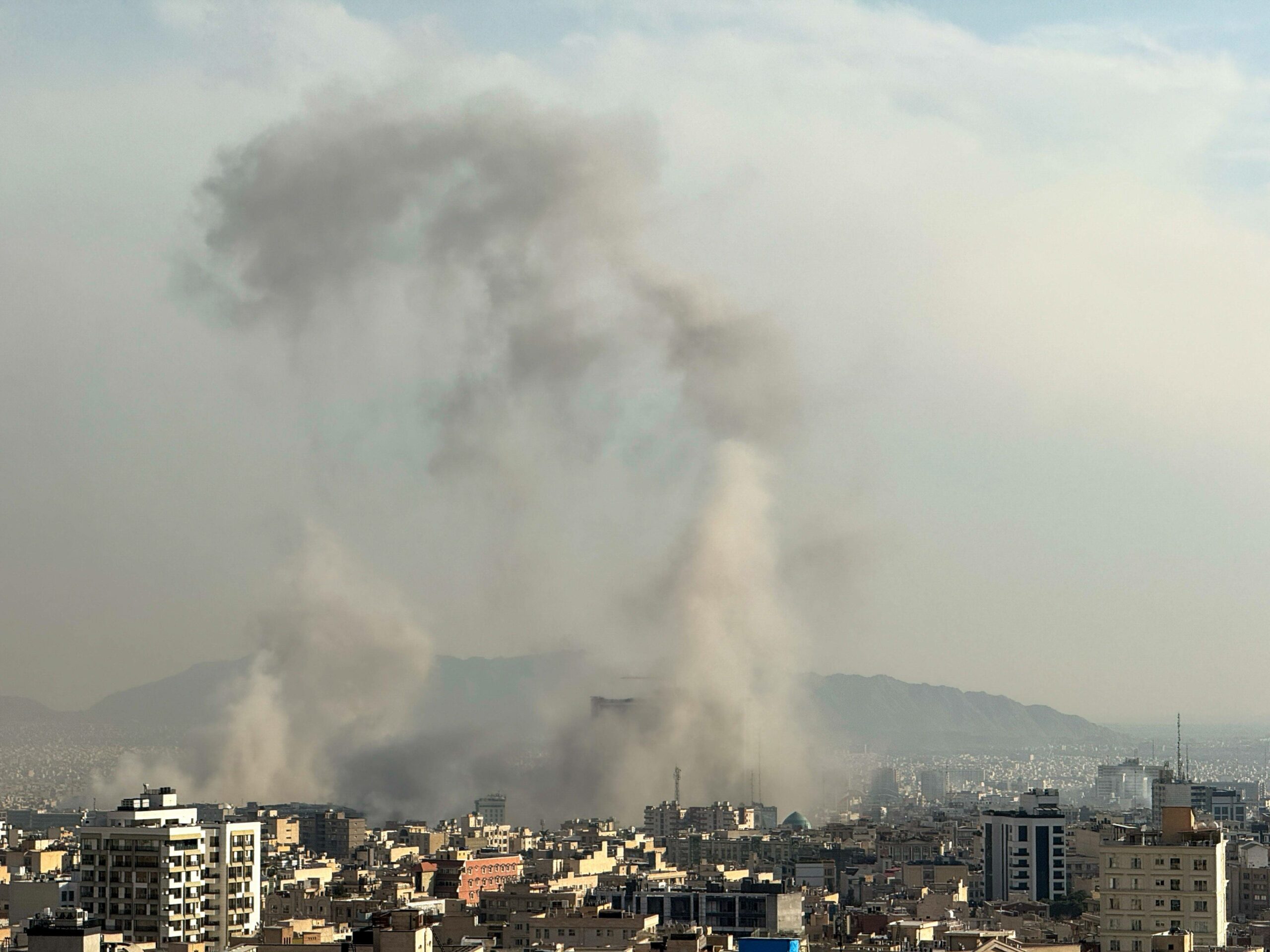
Plumes of smoke rise over Tehran amid escalating conflict between Iran, Israel and the United States, threatening Gulf energy flows and raising risks for Europe. Credit: Belga
Looking ahead, the Commission is working on reforming the EU’s carbon market rules (ETS). Although CO2 pricing plays a smaller role in overall energy costs, von der Leyen confirmed that the reform will be presented in July.
Tax proposals for electricity and network charges are expected next month. Von der Leyen pointed out that the crisis highlights the high cost of relying on fossil fuels and reiterated support for renewable energy and nuclear power as cleaner and more cost-effective solutions.
She called for better integration of clean energy into the EU’s energy system, citing the need for storage capacity, flexibility, and faster network connections. She urged the Council and Parliament to expedite work on the "network package" introduced in December, aiming for an agreement by early summer instead of year-end.
Von der Leyen also noted Europe’s slower pace of electrification compared to the United States and China.
The Commission plans to present a strategy before summer to address regulatory barriers and mobilise both public and private investments, including using cohesion funds and hosting an investors’ conference.
