
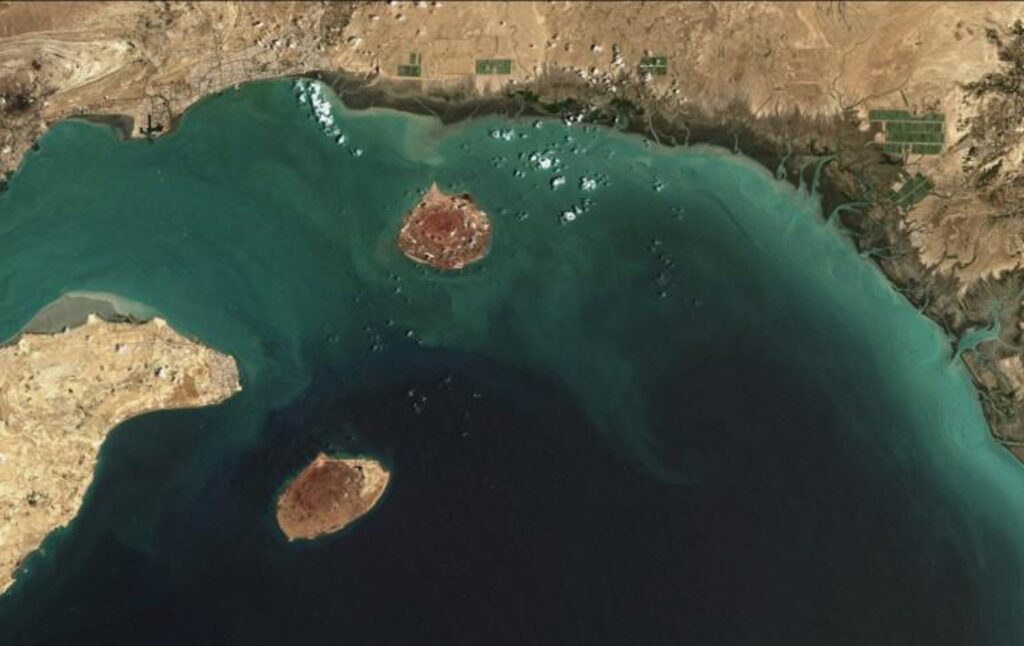
Shipping traffic in the Strait of Hormuz, previously disrupted due to conflict in the Middle East, is now increasing.
The Strait of Hormuz links the Persian Gulf and the Gulf of Oman, serving as a critical route for oil and gas exports from Gulf nations. Recent warfare in the region had largely obstructed the passage for months.
Following a preliminary peace agreement between the United States and Iran, vessels have resumed activity in the strait. Ships are operating with their tracking systems active.
On Tuesday, seven oil tankers reported transit through the Strait of Hormuz, according to shipping data.
Other types of cargo vessels are also using the route, while Iranian tankers are reported entering the strait in the opposite direction.
In recent days, millions of barrels of oil have passed through this vital maritime corridor.
However, the Israeli army is continuing its operations in Lebanon, Benjamin Netanyahu's government announced Monday evening, despite the Iranian demand that fighting in Lebanon stop to reach a regional peace agreement.
On Sunday, Benjamin Netanyahu had once again stated that Israeli troops would remain in southern Lebanon “for as long as necessary”.
A ceasefire was declared on Friday, following a previous one that had not been observed. However, the fighting has only ceased since Saturday evening.
Initial US-Iranian talks began in Switzerland on Sunday, undermined by the fighting in Lebanon over the past few days.
A new round of negotiations will begin on Tuesday in Washington between the Lebanese and Israeli authorities.
Since April, Lebanon has been conducting direct negotiations with Israel under the auspices of Washington, which are rejected by the Shia militia Hezbollah.
