
The movements of the Russian shadow fleet in European waters are causing increased sulphur dioxide emissions, including in the North Sea, according to new research by the Institute for Natural Sciences.
The study reveals that ships in the shadow fleet frequently bypass international shipping emission regulations by using non-compliant fuel, resulting in elevated sulphur dioxide emissions.
Researchers collected data spanning a decade to analyse ship emissions in the North Sea. This data was combined with information from the Automatic Identification System (AIS) and international sanctions databases to identify shadow fleet vessels.
The focus was placed on two types of ships: those formally sanctioned and those engaging in trade with Russia or sailing under the Russian flag.
Since Russia’s invasion of Ukraine, emissions from the shadow fleet have significantly increased, deviating from the international regulations they were previously adhering to.
In 2025, Russian vessels represented just 5% of all monitored ships yet accounted for nearly 30% of violations. This marks a notable rise from 14.8% non-compliance levels in 2022.
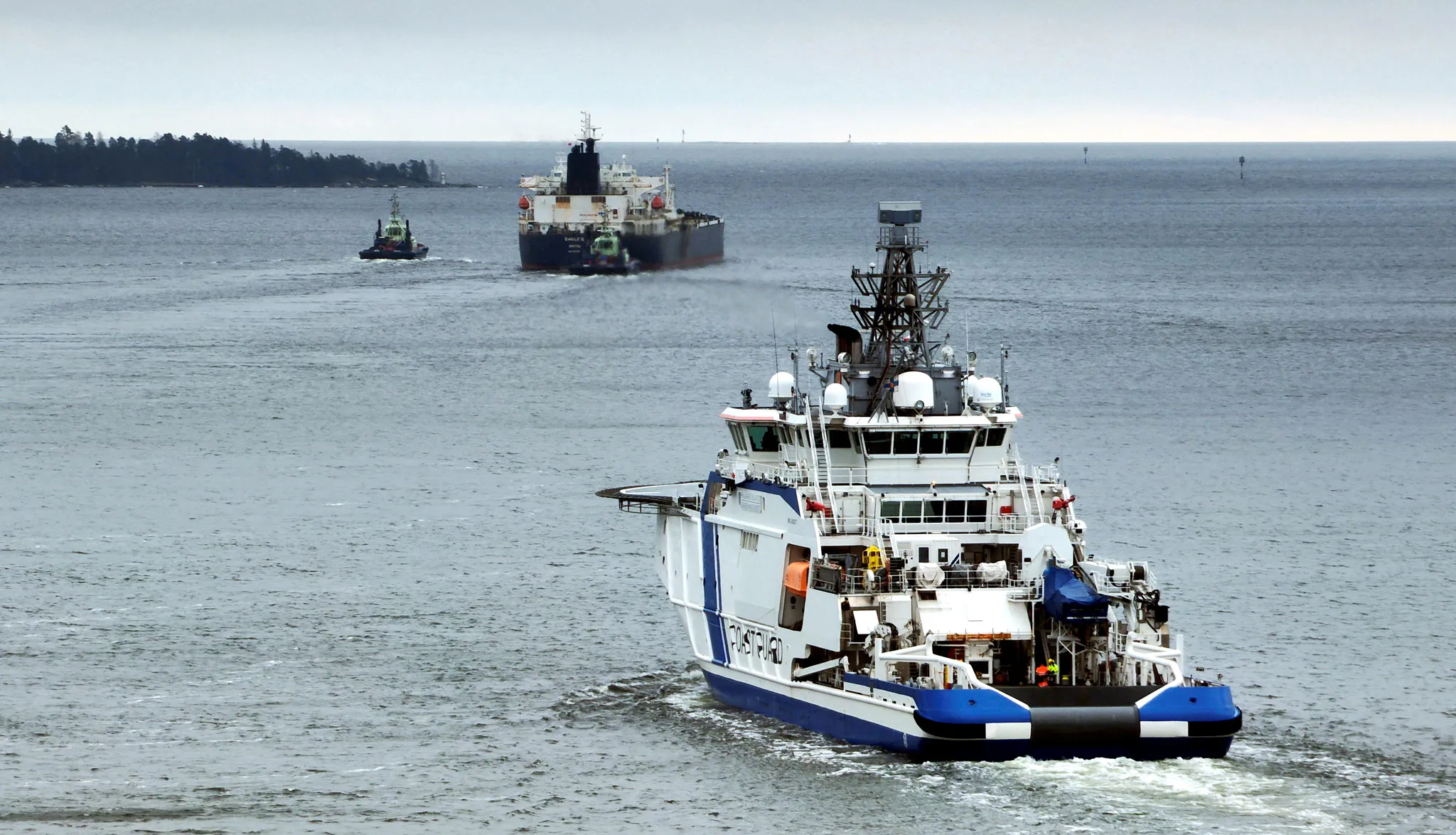
Belgium and its allies have stepped up cooperation against Russia's shadow fleet. Credit: Belga
Up to eight shadow fleet vessels navigate Belgian waters daily, according to the institute’s data. Half of these ships are sanctioned, while the others conduct trade with Russia.
Many are outdated, carrying higher risks of technical failures or environmental incidents. Several operate without insurance or under false-flag registrations, making regular monitoring along the Belgian coast a necessity.
These ships often transit through the North Sea without docking in European ports, allowing them to evade standard port inspections.
The institute recommends stricter enforcement at sea, emphasising that measures like the seizure of vessels, such as the MS Ethera in 2026, can deter violations and mitigate environmental risks posed by the shadow fleet.
