
Belgium’s federal core cabinet has reached agreement on a raft of measures before the summer recess, including an import ban on goods from illegally occupied Palestinian territories and a reform to annualise working time.
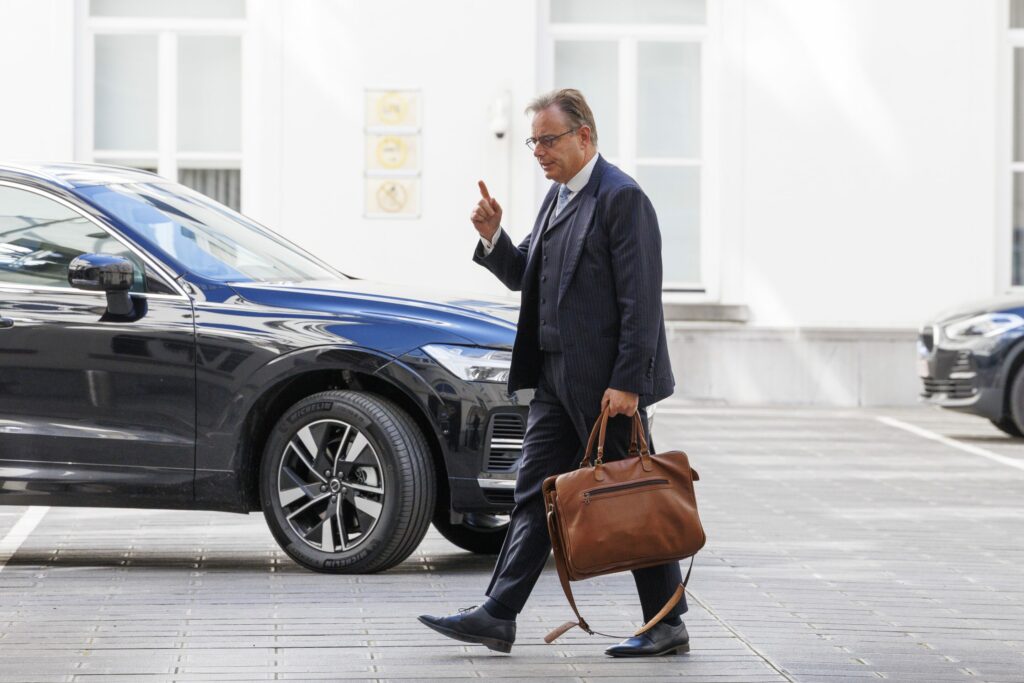
Prime Minister Bart De Wever and his deputy prime ministers had been meeting since Friday morning at 16 Rue de la Loi to settle the last outstanding files before the break. By dawn on Saturday, they had struck a deal on a broad package said to cover between 70 and 80 proposals.
Among the most politically sensitive decisions were the annualisation of working time and the import ban on products from Palestinian territories illegally occupied by Israel. The two issues had been linked in the negotiations for some time.
The draft bill on working time, put forward by Employment Minister David Clarinval, would calculate hours on a yearly rather than weekly basis. The government says this would help employers cope better with seasonal fluctuations without necessarily relying on temporary unemployment.
The reform is aimed in particular at sectors such as tourism, leisure, horticulture, events and offshore activities. For employees, it is intended to allow working patterns to be adjusted more easily to private and family life.
The system could only be applied with the employee’s explicit consent. It would also guarantee the same monthly pay regardless of the number of hours worked in a given month.
The socialist party Vooruit had long resisted the plan, arguing that it could reduce purchasing power, for example if paid overtime disappeared. Under the agreement, any loss of purchasing power would have to be compensated.
The import ban was part of the deal the government reached at the end of last summer in response to the heavy bombardment of Gaza and the rising death toll there. Detailed arrangements for how the ban will be implemented have not yet been set out.
The core cabinet also decided not to raise the embarkation tax, also known as the flight tax, to €10 for journeys longer than 500 kilometres. Instead, it will increase to €7.
Other agreements were reached on tightening football legislation and on the energy standard, among other matters. The government also approved a social agreement for Defence, minimum service levels in prisons and the introduction of family credit.
Ministers also discussed the partial privatisation of Belfius. The Belgian state currently owns the bank outright but wants to sell a 20 per cent stake.
The Francophone liberal party MR wants to link that sale to a merger with insurer Ethias. According to Clarinval, Finance Minister Jan Jambon will contact the regions to ask whether they are prepared to sell their shareholding.
With these agreements secured, federal ministers can now begin their summer break. When they return, they will face a bigger challenge: finding €10 billion by 2029 to put the budget on a sounder footing.
