
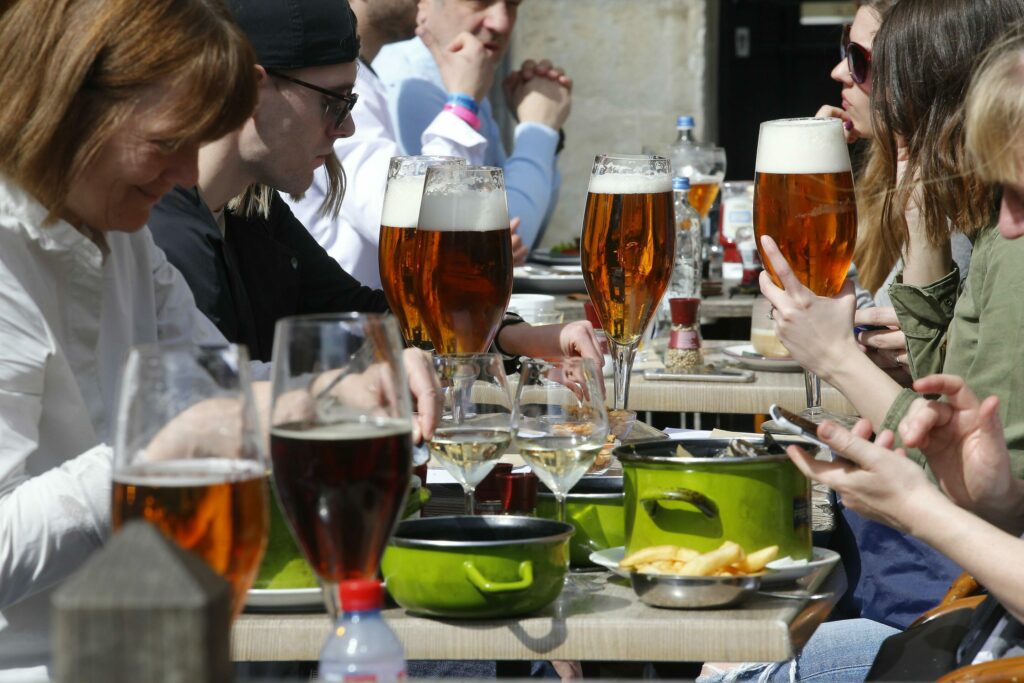
One of Belgium’s leading newspapers, Le Soir, recently asked the question ahead of Tuesday's national holiday: why do Belgians remain so faithful to moules frites?
Few things are more Belgian than having a plate of mussels and fries in the historic Marolles district of Brussels on Belgium’s national day.
Every year, Brussels residents are invited to the Place Jeu de Balle in Brussels on 21 July for a dinner showcasing Belgian culinary specialities, entitled Resto National. From 17:00 on Tuesday, people can sit down for a hearty plate of moules frites for the price of €32 in the iconic Brussels square.
So where does this tradition come from? Well, Zeeland, apparently, in the province in the south-west of the Netherlands. According to Le Soir, Belgium has sourced its mussels from its Dutch neighbour since the late 19th century.
This "plump little mollusc", as Le Soir’s Pierre Maeyens masterfully puts it, was not even farmed in Belgium until recently – so where does the national obsession come from?
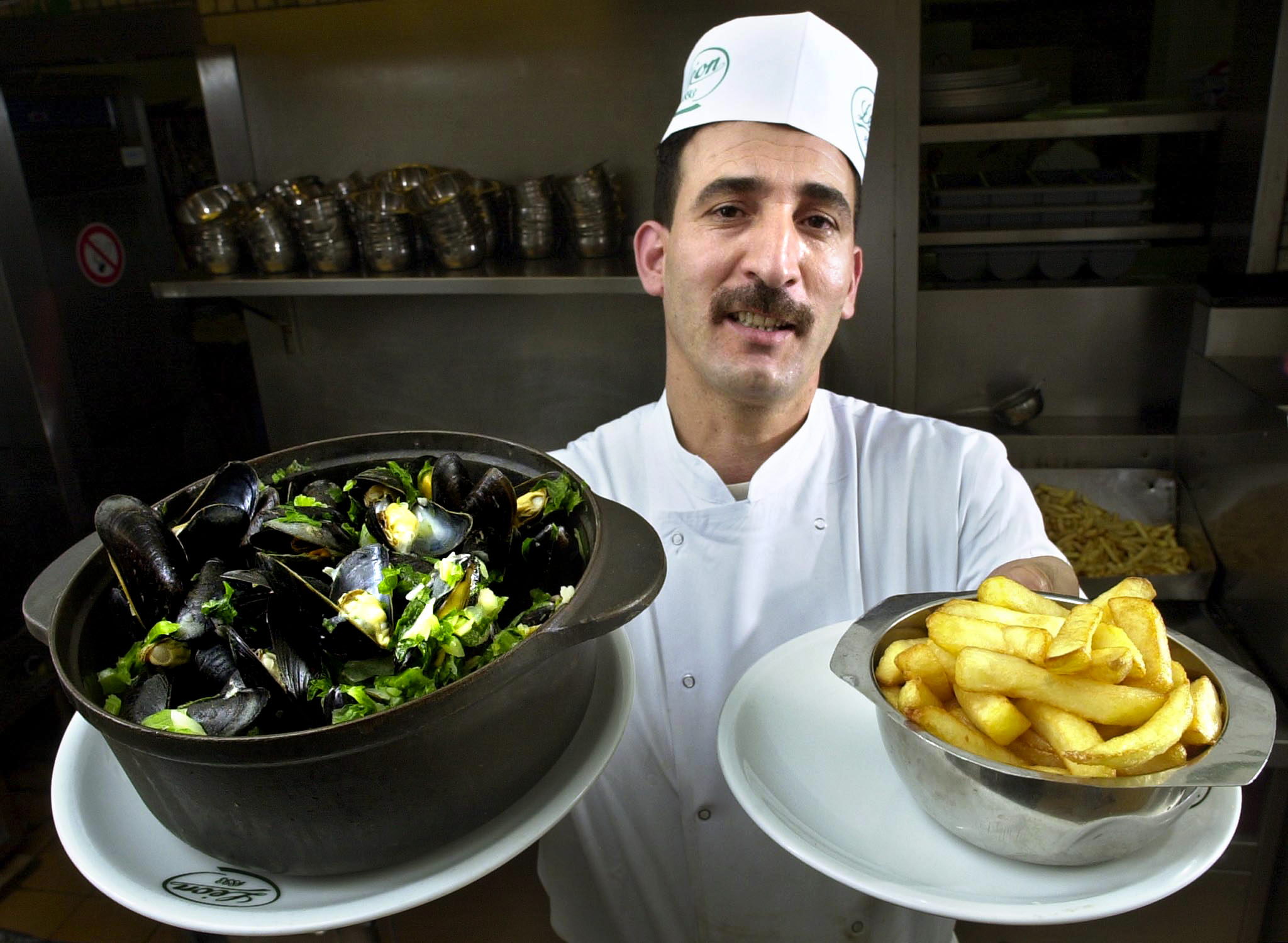
A chef at Chez Léon in Brussels presents the first Zeeland mussels of the season. Credit: Belga
Dutch connection
Trade links with Zeeland go back to the late 19th century, when mussels were transported into Belgium via the region’s extensive canal network.
In the 1870s, many popular trade fairs helped spread Zeeland mussels and their fries throughout Belgium, according to Pierre Leclercq, a food historian at the University of Liège in Le Soir. This soon led to it being associated with the country, rivalling France’s steak and chips.
Around 90% of Belgium’s moules still come from Zeeland today, but this may soon change. A Belgian-led project by Colruyt launched a mussel farming operation in the Belgian North Sea in 2023.
Initially, it produced six tons, while this year’s harvest rose to 90 tonnes. Brussels residents will get a chance to try these Belgian-sourced moules at the Resto National at the Place Jeu de Balle on Tuesday.
Fries and sauce
The spread of its partner in crime, the frites or fries, also broke into Belgian culinary culture in the 1870s at popular fairs and markets. The two have always been natural partners, according to Le Soir.
Belgians were particularly enthralled with the idea of picking up the fries by pinching the mussel shells – allowing them to dip the fries in the broth without dirtying their fingers. The shells were also useful in scooping up the broth once the mussels were eaten.
The broth is traditionally cooked in various ways, but most notably in sauce à la marinière (which translates to sailor-style), with garlic or even with Belgian beer.
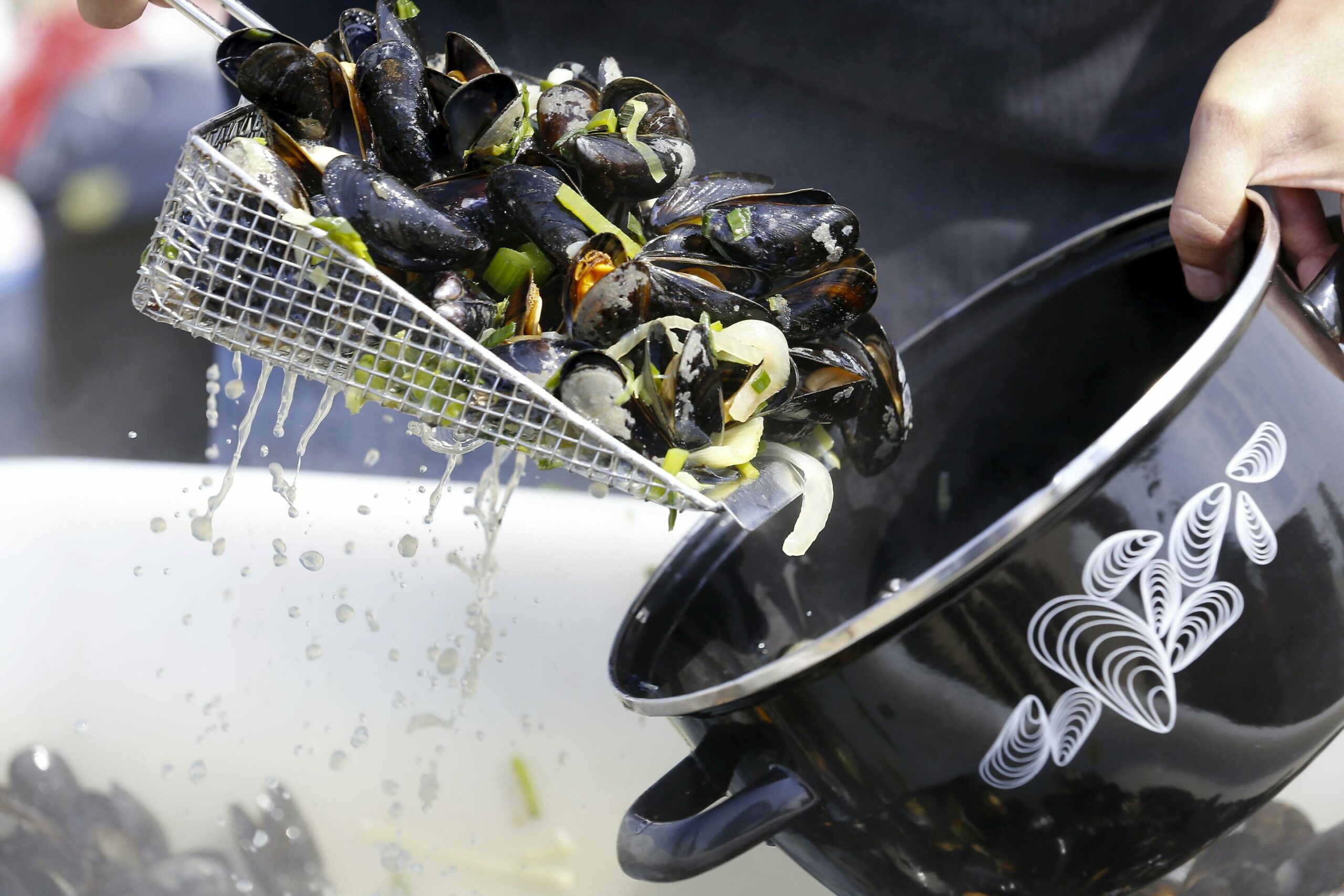
Mussels are being prepared at the start of the mussel season in Yerseke, The Netherlands, Wednesday 01 August 2018. Credit: Belga / Nicolas Maeterlinck
Types of mussels
There are also many types of mussels, but the Belgians’ preferred version is, of course, the Zeeland mussel.
A Brussels fishmonger explained to Le Soir that there are three main types: the ‘goldens’, which are the largest, the ‘jumbos’ are medium-sized, and then the ‘supers’, the smallest.
The new Belgian ‘Bel'Mer’ mussels from the North Sea are smaller, but stand out for their plump, sand-free shells and their rich flavour "with delicate hints of the sea", according to producers Colruyt. They are described as being sized somewhere between the Zeeland mussel and the French bouchot mussel: more delicate, refined but smaller in size.
Indeed, it is widely accepted that Belgians love large mussels – so Bel'Mer mussels may take a while to win over hearts in the plat pays, Le Soir notes. Bouzigues (or Spanish) mussels can also be found on Belgian plates – they are considered to be meatier, more flavourful, and larger than average.
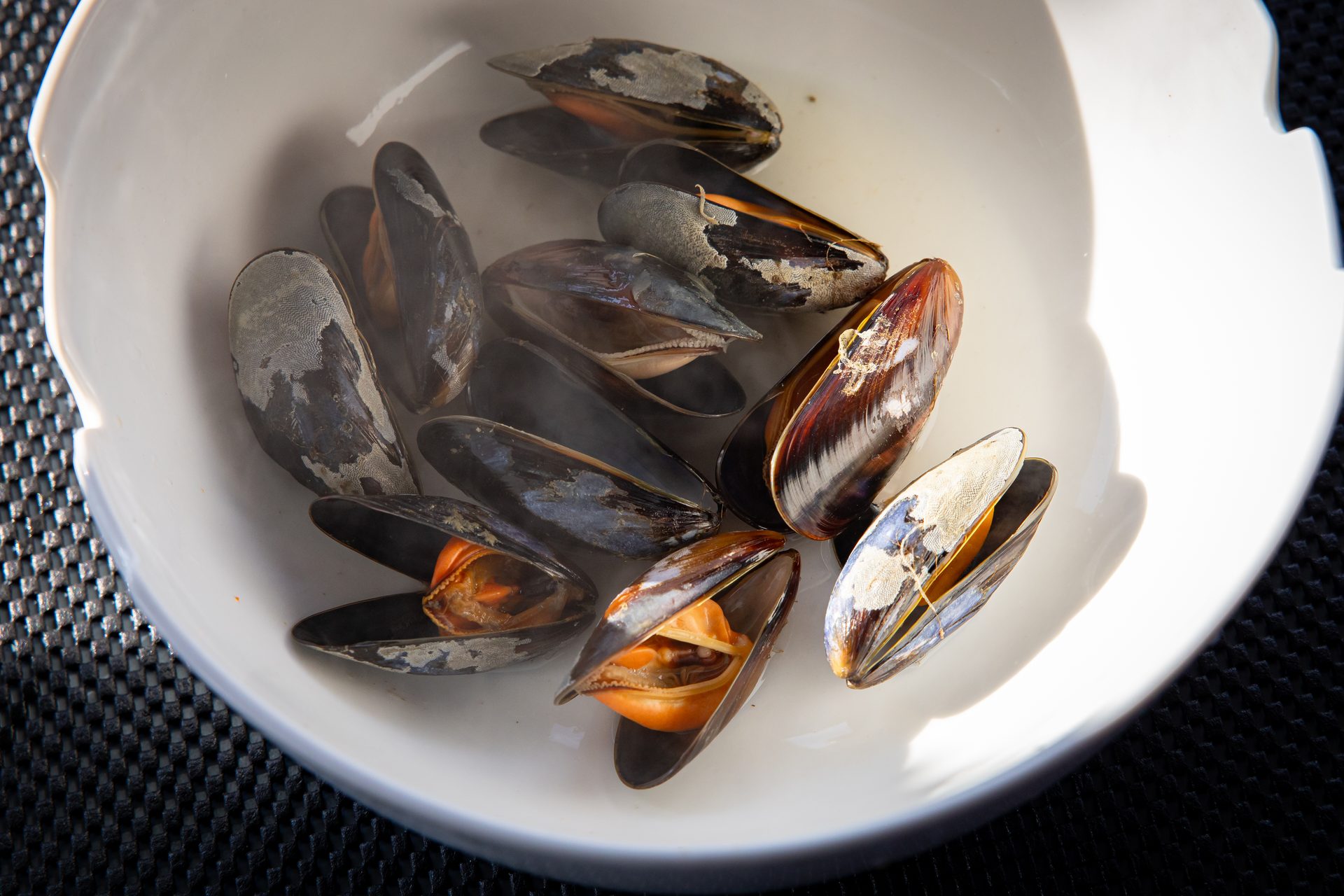
Illustration picture shows a bowl of cooked mussels during the first mussel harvest of the commercial sea farm from Colruyt Group in Nieuwpoort, Tuesday 18 July 2023. Credit: Belga / Kurt Desplenter
When to eat them?
As the tradition goes, Belgians only eat mussels in the months ending with 'R' (i.e. the autumn and winter months).
This is now outdated, as modern preservation techniques now allow us to enjoy mussels all year round, says Leclercq. Moreover, it also facilitated mussels and fries becoming the dish of choice on Belgium's national day, which falls in July.
But for the new Belgian mussels variety, all-year-round mussels may take a while longer, says Colruyt:
"We could offer mussels almost all year round, except around March, April and May. The exact period will depend on the weather. We do not yet have sufficient production capacity to guarantee a year-round supply," they told Le Soir.
Smakelijk/bon appétit!
