
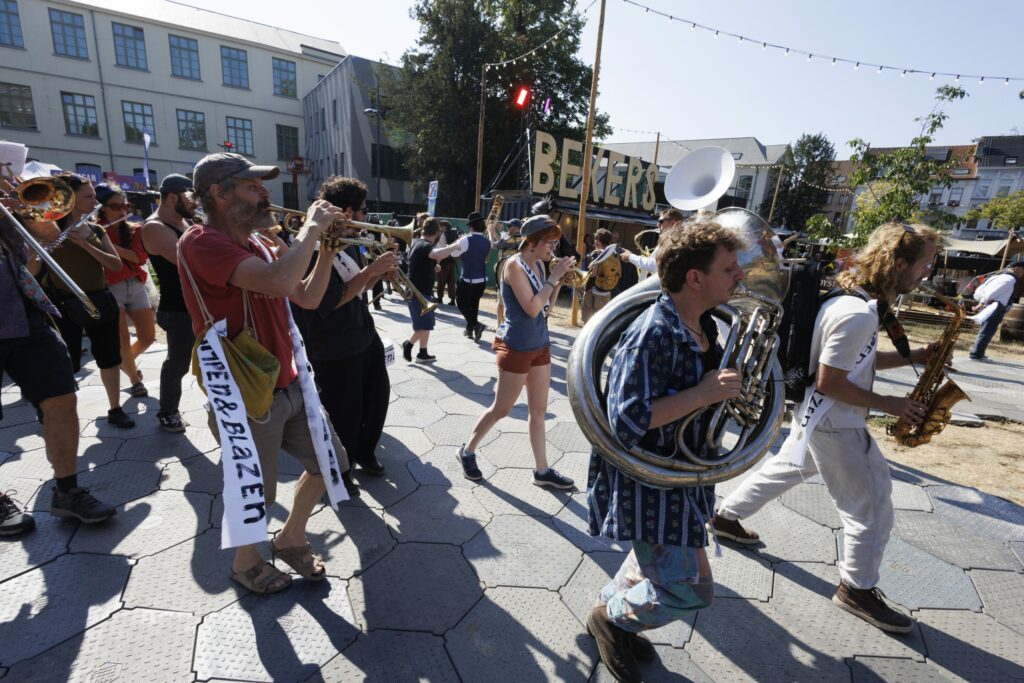
The Gentse Feesten, the city festival in Ghent, is about to enter its final weekend. Hundreds of thousands of people will flood the city over the next few days to celebrate a festival that dates back to the 19th century.
Across dozens of squares, bars, and hidden stages, artists and entertainers will perform through the day and night.
In Ghent, the real draws are not big headline artists, but the unique locations and traditions that make up the festival. From pop-up clubs in medieval basements to drinking Moroccan tea in a tent, wandering around the city centre takes you from one unexpected experience to another.
While most people associate festivals with partying through the night (and Ghent provides that plentifully) the Gentse Feesten festivities run right around the clock. Throughout the day, plays are being performed, free dance classes are being taught, and street performers move throughout the city.
First-timers are advised to spend an entire day at the festival, so they have plenty of time to explore the city and figure out which places they like.
Towards the afternoon, the masses will move to the larger squares in the city. Graslei, usually an idyllic tourist attraction, hosts the Polé Polé stage, a free tropical music festival. Emile Brainsquare hosts a Mardi Gras celebration and is a good place to hide from rain, as the square is covered by a 'sheep pen'.
If you want to dance until the early hours of the morning, the Vlasmarkt, with its famous botram mee uuflakke (bread with cheese), is your place to be.
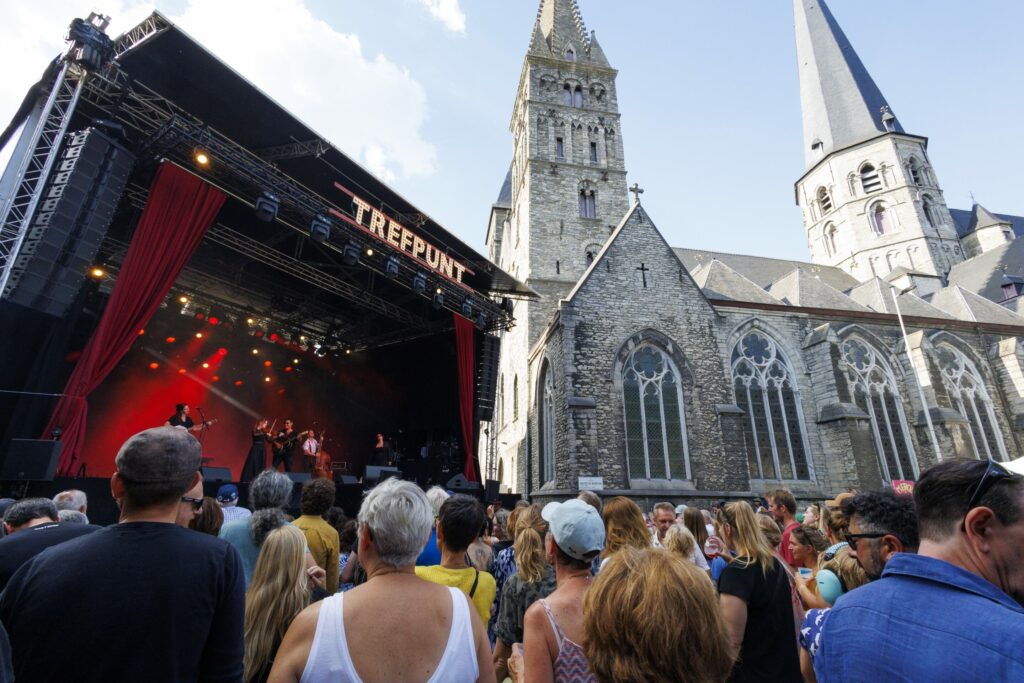
The official opening of the 'Gentse Feesten' on the Trefpunt stage. Foto: Belga/Nicolas Maeterlinck
Over a century of celebrations
The first edition of the Gentse Feesten dates back to 1843. The city decided to merge its neighbourhood carnivals into one big city-wide celebration. Initially, many of the events taking place were partially segregated between the common people and the rich upper classes, but this divide disappeared over time.
Many of the events being held in the first year of the Gentse Feesten are still organised today: free theatre, circus, folk dance, concerts, fireworks and exhibitions.
The festivities remained similar until the start of the First World War. As Ghent fell under German occupation, Gentse Feesten activities were put on hold. In its first edition after the war, locals included a tribute to fallen soldiers by adding a peace march and the planting of a tree of liberty to the schedule.
The festival remained mostly untouched until the 1960s, when local newspapers started questioning why it was still being held. The main events had remained the same, but the rapidly urbanising population of Ghent wasn't interested in horn concerts, billiards championships and songbird competitions anymore.
In an attempt to revitalise the festival, the artist collective Trefpunt started roaming the streets, performing songs for donations. While the city council disapproved of the initiative, it ignited the revival of the festival. A year later, Trefpunt had grown and continued performing, inspiring the street artists that make up a large part of the festival today.
In the following years, Trefpunt were given an official spot in the festival, and many bars and neighbourhoods started organising small stages for local artists, enabling Gentse Feesten to grow into the citywide festival we know today.
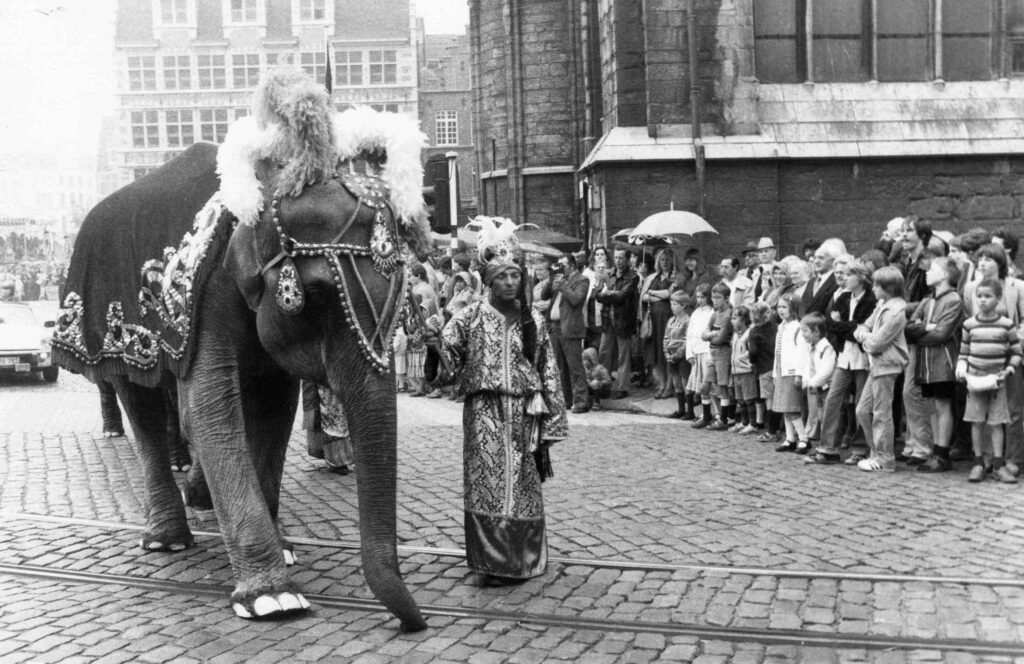
An elephant at the Gentse Feesten. Credit: Belga Archive
A full overview of this year's festivities can be found on the website of the city of Ghent.
