
Walking around Brussels these past days, you might have noticed a lot of bugs flying around.
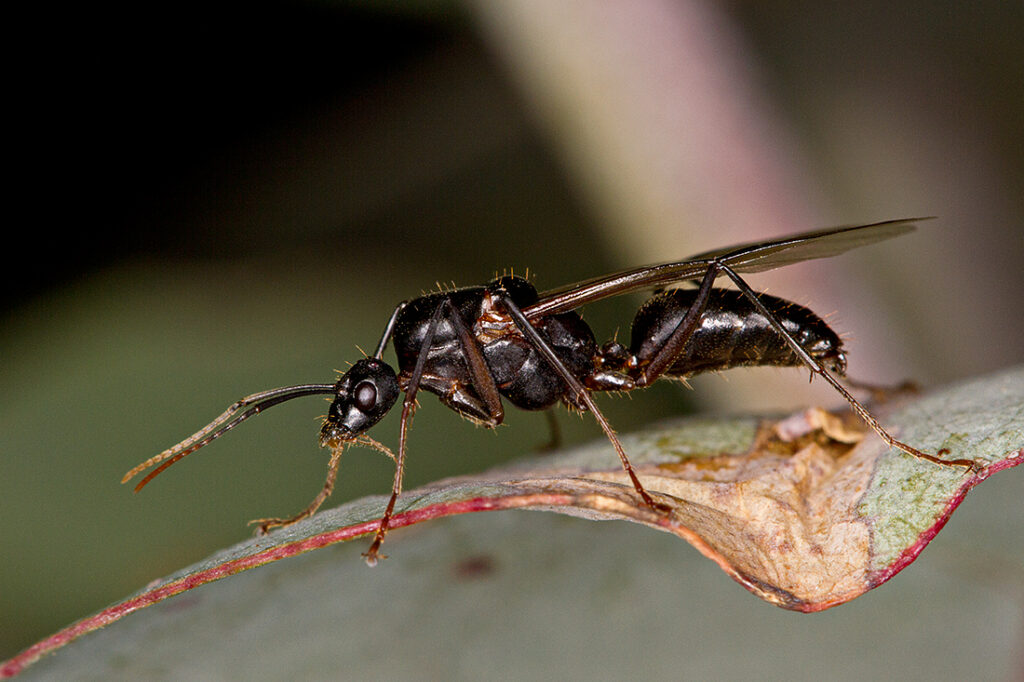
Alongside the regular crowd that populates the city, there's a very peculiar bug buzzing around. The Lasius niger, or the common black garden ant, has taken to the skies.
As cities tend to get warmer and trap heat overnight, they provide a perfect mating ground for ants. Queen ants need extended periods of constant, warm temperatures and humidity to change how they lay their eggs. With the recent heatwaves and storms, they have been given the perfect conditions.
Nuptial flight
Triggered by recent warm temperatures, the ants have entered their mating season and are partaking in the nuptial flight. For a brief period, the queen of a colony can lay eggs that hatch winged males and future queen ants. They do so once a year before going back to exclusively producing wingless, sterile workers.
After the nuptial flights, female ants return to the ground and often remove their wings. They then attempt to form new colonies. As they only need to mate once in their lives, they're now set to provide a colony with workers for up to 15 years.
Their male companions have a less gracious end; shortly after mating with a future queen, they die. Inseminating a queen is the only purpose they serve in life. As female ants actively flee from males during the nuptial flight to guarantee that only the fastest and strongest can mate with her, the overwhelming majority of male ants die before ever achieving that purpose.
The nuptial flight can last several weeks and happens once a year, if the right conditions are met.
