
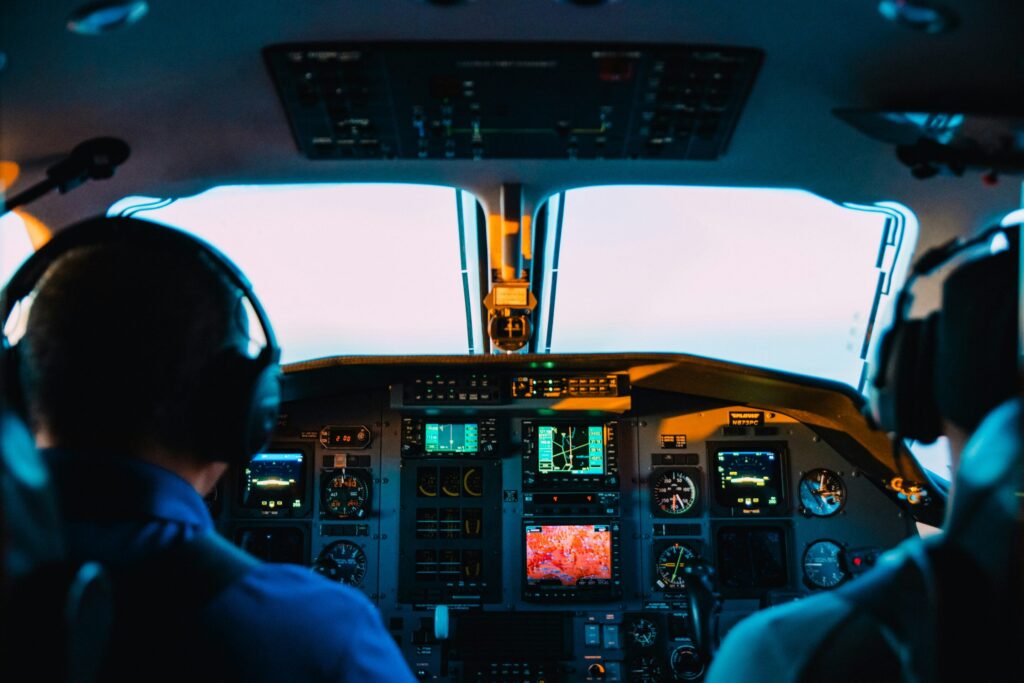
More than three-quarters of commercial airline pilots have experienced involuntary episodes of sleep in the cockpit over the past month, according to a new survey that reveals growing concerns over aviation safety due to a widespread fatigue among pilots.
The study, conducted by aviation consultancy Baines Simmons on behalf of the European Cockpit Association (ECA), surveyed 7,200 pilots across 32 countries and found that 76% of respondents had experienced a “microsleep” while on duty in the previous month.
More than half also admitted to operating flights despite feeling too exhausted to do so safely, even when they should have declared themselves unfit for duty. Only one in three pilots said they routinely reported being too tired to fly.
Related News
- Brussels Airlines unveils Cairo route and summer expansion plans
- Belgium’s rail paradox: Crowded trains, ageing system
- Deal on EU air passenger rights: What changes for travellers?
Fear of consequences
The survey’s results also point to a workplace culture in which pilots are reluctant to report fatigue for fear of repercussions.
Half of those surveyed said they feared negative consequences from management if they declared themselves unfit to fly, while nearly 12% expressed a lack of trust in their airline’s reporting procedures. Around 50% believed that fatigue-related safety risks were either poorly managed or not addressed at all by their employer.
Only 11% said their reports of fatigue had resulted in improvements to operational safety.
The survey also revealed differences between airlines across Europe. Some 40% of pilots working for Spanish airlines said they regularly flew while fatigued, compared with 30% at Irish and French airlines and 10% at British carriers.
Calls for tougher aviation rules
The ECA has urged the European Union Aviation Safety Agency (EASA) to strengthen regulations and improve oversight to ensure airlines take effective action against pilot fatigue.
ECA President Captain Tanja Harter warned that responsibility for managing exhaustion should not rest solely with pilots. The issue “cannot be simply left to us, the pilots, to manage, while we are on the flight deck and expected to bring our passengers safely to their destination,” she said.
The findings echo an EASA report published in June 2026, which identified aircrew fatigue as one of the aviation industry’s most persistent safety concerns.
A separate survey conducted in September 2025 by German pilots’ union Vereinigung Cockpit found that 93% of 900 respondents had taken naps while on duty, with 74% describing the practice as routine.
Meanwhile, a 2025 study by Ghent University, supported by European Commission funding, surveyed 6,900 pilots and cabin crew members about working conditions.
It found that 68% of respondents fell below established mental health and wellbeing thresholds, while 78% reported feeling “dehumanised” at work.
Another 42% said working hours and rest schedules were being pushed to their limits, raising further concerns about the pressures facing Europe’s aviation workforce.
